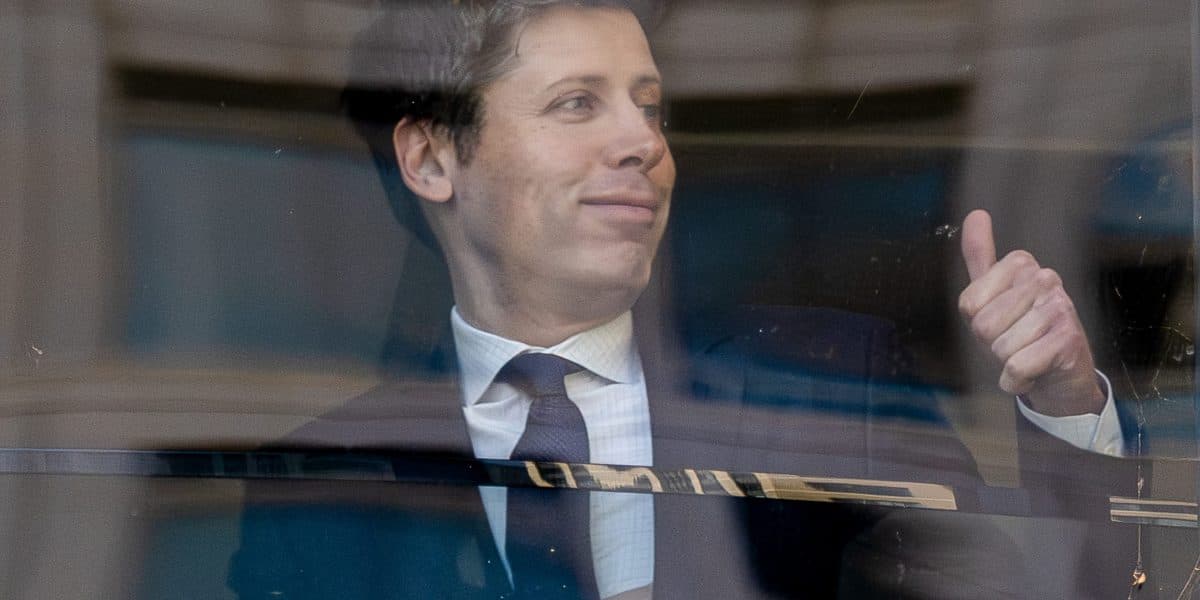
Photo via Fortune
A high-profile legal dispute between two prominent artificial intelligence entrepreneurs has brought questions of AI governance into sharp focus. According to Fortune, the conflict highlights a troubling dynamic: the assumption that individual billionaires can serve as adequate safeguards for transformative technology. For Dallas-area tech companies and enterprises increasingly integrating AI into operations, this matters significantly.
The underlying issue reveals a governance gap in an industry moving faster than regulatory frameworks can accommodate. When oversight defaults to the whims and competing interests of individual leaders, stakeholders—from investors to employees to the public—lack meaningful recourse or transparency. This concentration of power mirrors challenges seen in other rapidly evolving industries, where Dallas businesses have learned that relying on single actors for accountability rarely produces sustainable outcomes.
Tech leaders across the region should recognize that robust AI safety demands distributed responsibility: independent oversight boards, cross-industry standards, academic partnerships, and transparent reporting mechanisms. Rather than betting on any single entrepreneur's vision or values, Dallas companies should advocate for governance structures that include diverse stakeholders and professional accountability frameworks.
As AI becomes increasingly central to competitive advantage in Dallas's growing tech ecosystem, businesses have both opportunity and obligation to champion responsible development standards. The question isn't whether one visionary can be trusted—it's whether industry stakeholders will collectively establish the guardrails necessary for sustainable innovation.