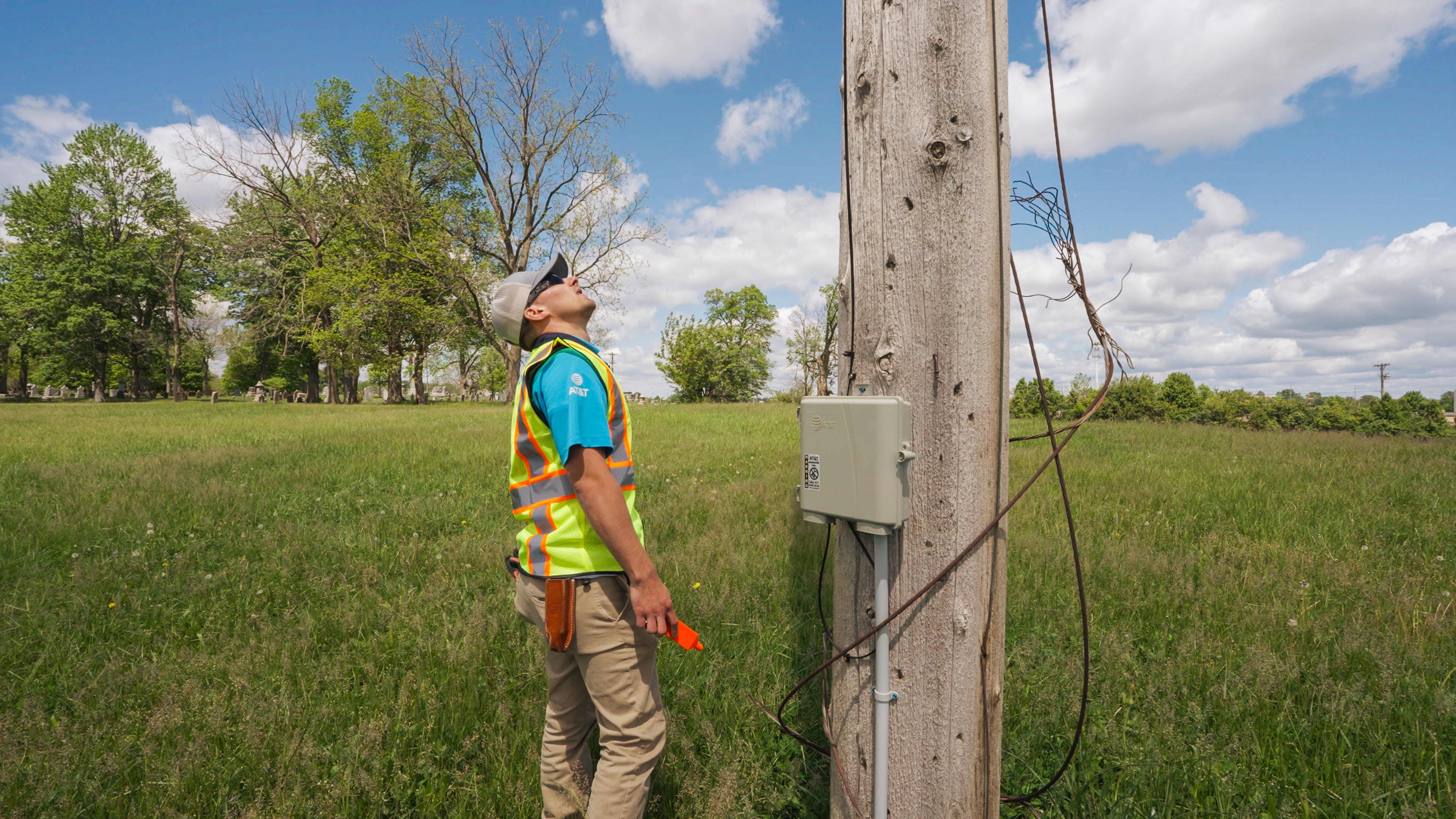
Photo via CNBC Business
According to CNBC Business, artificial intelligence is fundamentally altering recruitment patterns across major American corporations. Large employers are shifting hiring priorities away from traditional entry-level college graduate roles, instead directing resources toward recruiting workers with specialized trade skills. This trend signals a significant recalibration of what employers value in the evolving economy.
Companies like Ford and AT&T exemplify this broader shift, ramping up their search for skilled tradespeople even as they pause or reduce hiring for roles traditionally filled by recent college graduates. This pivot reflects how AI automation is handling routine, knowledge-based work while simultaneously creating acute demand for hands-on technical expertise that requires specialized training and certification.
For Dallas-area professionals and job seekers, this development carries particular relevance. The region's robust manufacturing base, energy sector, and growing technology infrastructure all depend heavily on skilled trades—from HVAC technicians and electricians to industrial maintenance specialists. Workers who invest in trade certifications may find themselves with more competitive advantages and earning potential than they might have anticipated.
The shift challenges conventional wisdom about the 'American Dream' requiring a four-year degree. As the labor market responds to AI-driven changes, vocational training, apprenticeships, and specialized certifications are emerging as viable pathways to stable, well-compensated careers. Business leaders and educators in Dallas should monitor this trend closely, as it could reshape workforce development priorities across the region.