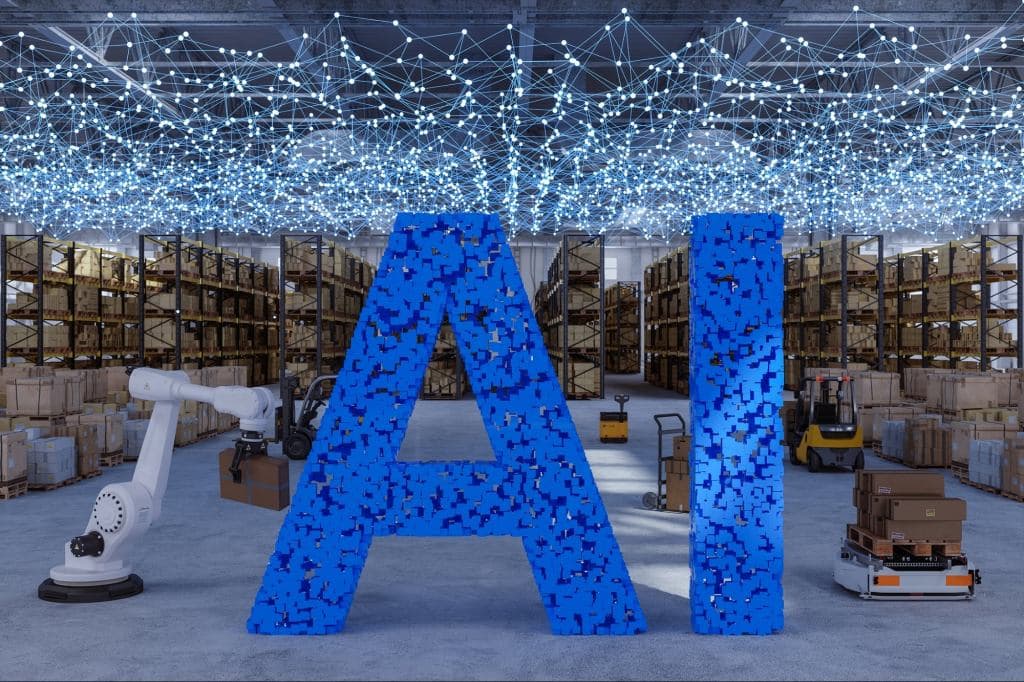
Photo via Entrepreneur
As Dallas-area businesses scale their operations in an increasingly competitive marketplace, artificial intelligence has emerged as a transformative tool for supply chain management. According to industry experts, companies that strategically implement AI technologies can significantly streamline workflows, reduce operational costs, and improve delivery times. For ecommerce businesses and logistics providers operating in the Dallas region—a major distribution hub for North Texas and beyond—these efficiencies translate directly to competitive advantage.
The practical applications of AI in supply chain operations span multiple functions. Machine learning algorithms can forecast demand with greater accuracy, helping businesses optimize inventory levels and minimize waste. Automated systems can route shipments more efficiently, reducing transportation costs and environmental impact. For Dallas-based retailers and fulfillment centers, these capabilities are particularly valuable as they manage complex distribution networks across the state and nation.
Implementation requires more than just purchasing AI software. Organizations must align their teams, data infrastructure, and business processes to maximize these tools' potential. According to supply chain architects, successful AI adoption begins with identifying specific operational pain points—whether that's warehouse inefficiencies, supplier coordination challenges, or last-mile delivery bottlenecks—and targeting solutions accordingly. Dallas companies should prioritize change management and employee training to ensure their workforce can effectively leverage these new technologies.
For Dallas business leaders considering AI investments, the key is starting small and scaling gradually. Rather than overhauling entire supply chains immediately, many successful organizations pilot AI solutions in specific areas, measure results, and then expand. This measured approach allows companies to validate ROI while building internal expertise, positioning North Texas businesses to compete effectively in a supply-chain-dependent economy.