Photo via Inc.
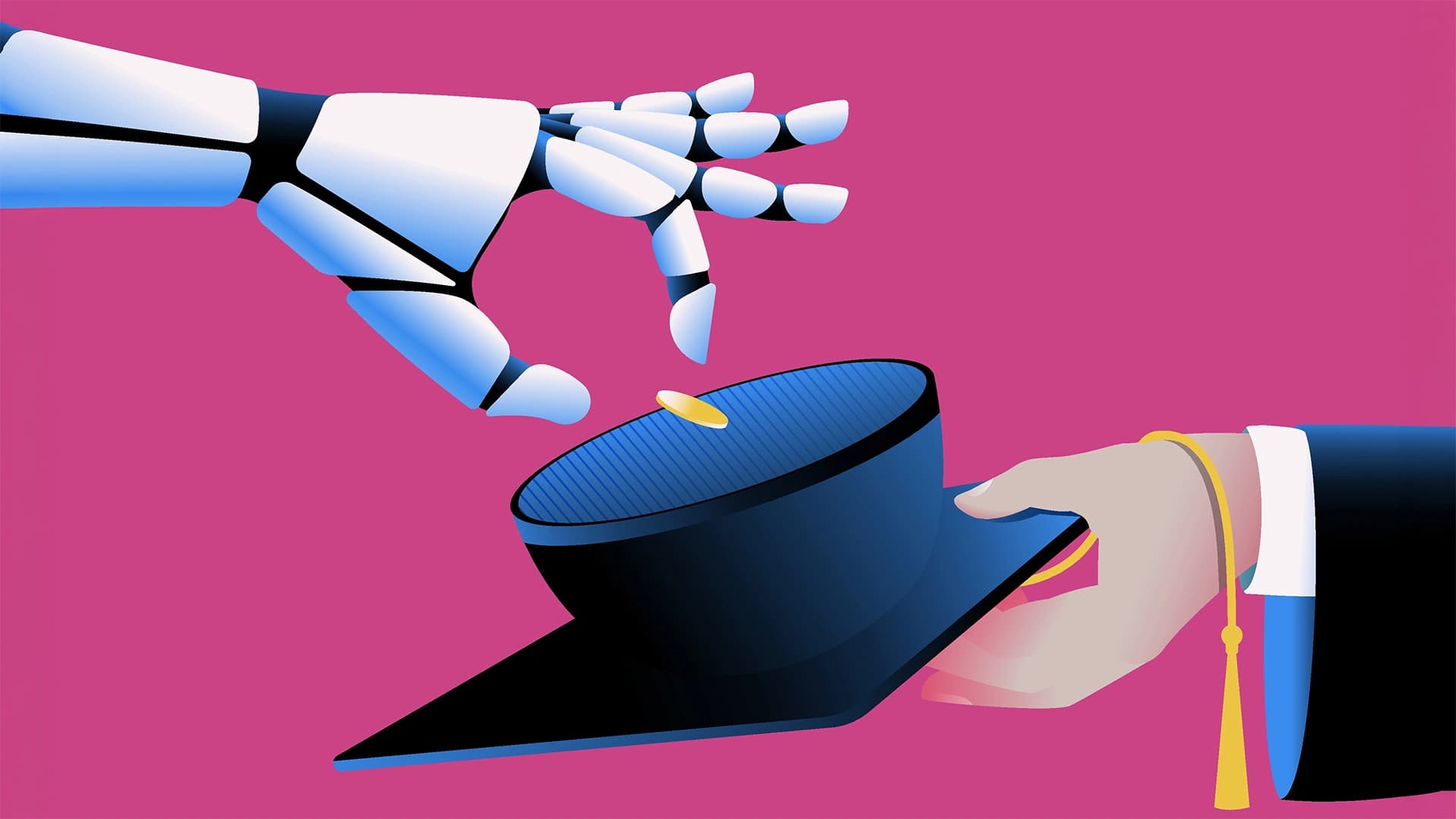
The narrative around artificial intelligence destroying entry-level jobs has dominated business headlines, but labor market data tells a different story. According to Inc., employment figures suggest AI isn't the primary driver of college graduate unemployment, challenging the widespread assumption that automation is directly responsible for graduates struggling to find positions. For Dallas-area employers and workforce development leaders, this distinction matters significantly as companies make hiring and technology investment decisions.
The real issue appears to be a more structural problem: a disconnect between what employers need and what graduates are equipped to provide. Rather than jobs disappearing entirely, the labor market has become increasingly bifurcated, with strong demand for highly specialized roles and strong demand for lower-skilled positions, but a shrinking middle where entry-level college graduates traditionally launched their careers. This gap affects regional talent pipelines across North Texas industries, from technology to finance to healthcare.
For Dallas business leaders, this insight carries practical implications. Instead of viewing AI as an existential threat to hiring plans, companies should focus on what's actually addressable: clarifying skill requirements, investing in training programs, and potentially restructuring entry-level positions to bridge the gap between academic preparation and workplace readiness. Organizations that take this approach gain competitive advantage in attracting emerging talent.
Understanding the real cause of graduate unemployment opens doors to real solutions. Dallas employers and educational institutions can collaborate on curriculum adjustments, apprenticeships, and internship programs that develop the specific capabilities today's job market demands. By looking past the AI panic to address root causes, the region positions itself to strengthen its workforce and maintain competitiveness in an evolving economy.