Photo via Dallas Observer
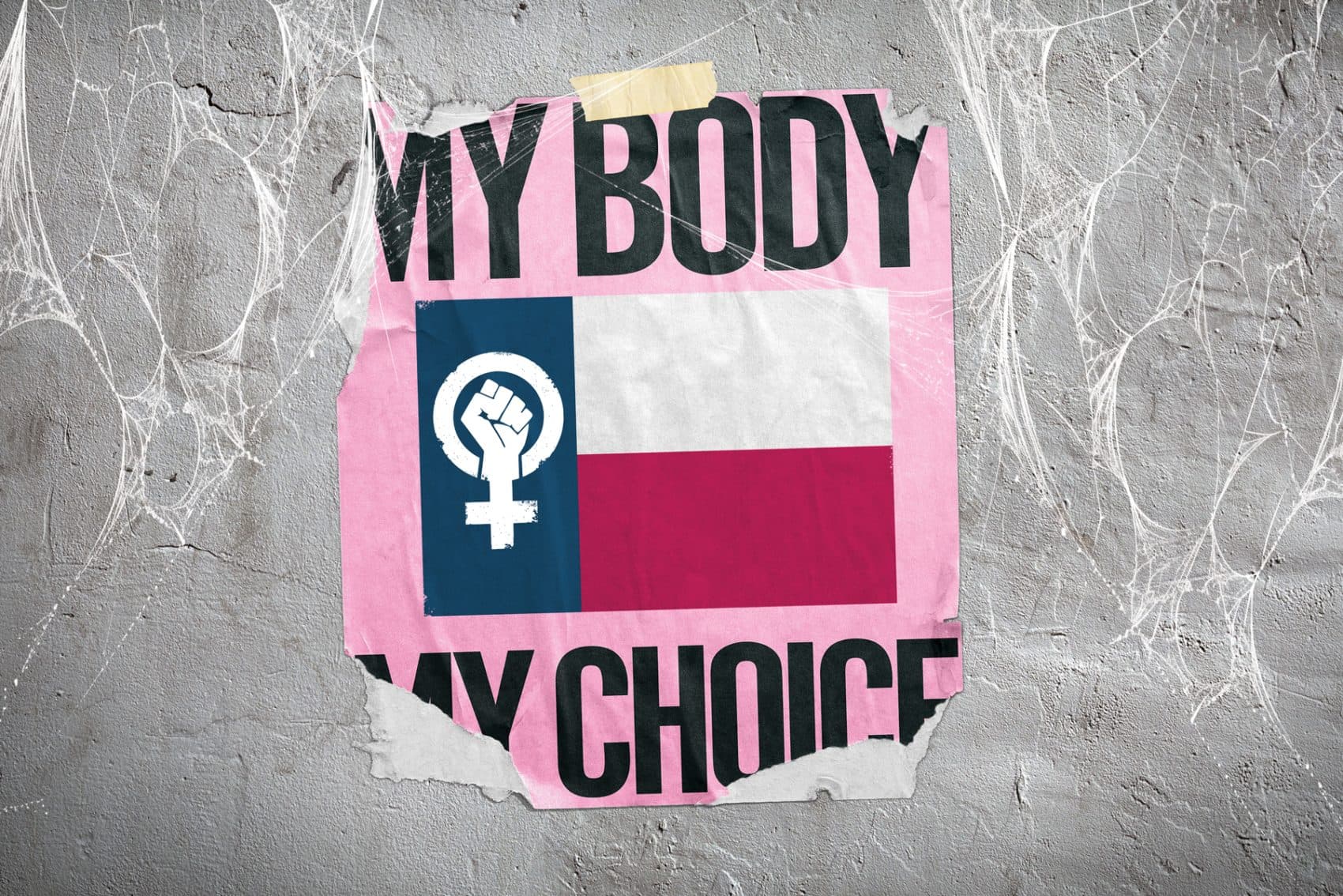
As the 2026 midterm election cycle gains momentum, reproductive rights—once a dominant campaign issue—appear to be losing prominence in political discourse, even as Texas women remain actively engaged in the fight for reproductive freedom. According to the Dallas Observer, elected officials across the state are speaking less frequently about abortion policy compared to previous election cycles, suggesting a potential shift in campaign priorities or messaging strategies heading into the midterms.
For Dallas-area business leaders and employers, this political quietude masks an ongoing reality affecting workforce dynamics and employee benefits planning. Healthcare organizations, law firms, and companies with significant female workforce populations continue navigating the complex landscape of Texas reproductive policy, which influences talent retention, recruitment, and employee wellness programs in the region.
The disconnect between reduced political attention and persistent grassroots activism highlights a critical challenge for Texas policymakers: whether the diminished campaign rhetoric reflects genuine resolution of reproductive rights concerns or merely strategic repositioning by candidates. Dallas-based advocacy organizations and healthcare providers remain focused on translating public concern into concrete policy outcomes, regardless of election-year messaging trends.