Photo via Fortune
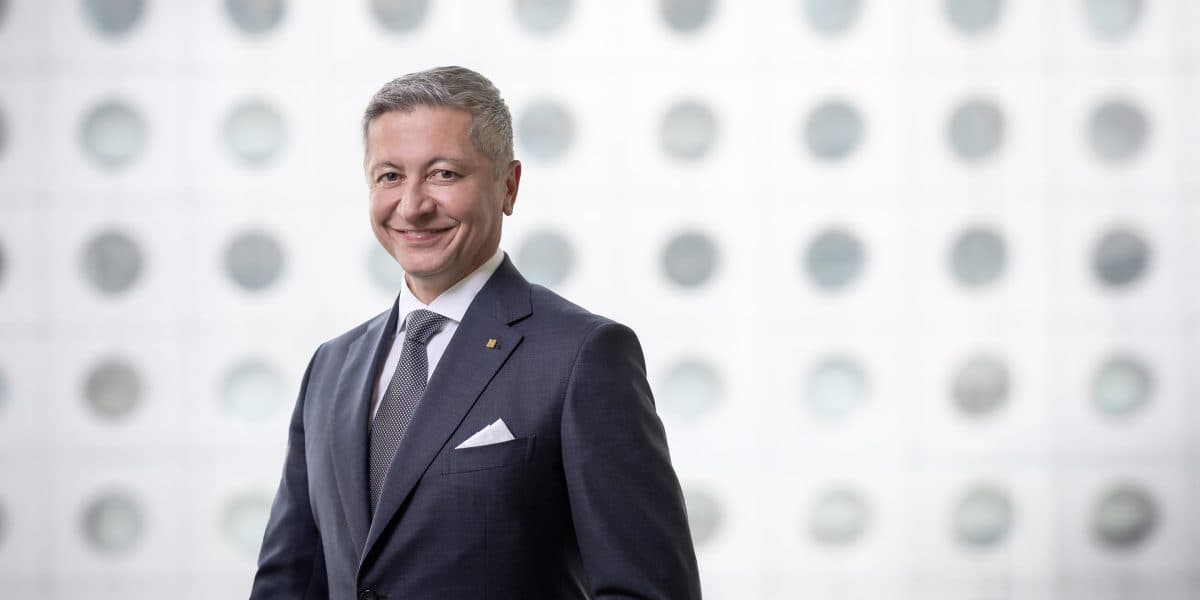
Hongkong Land, a real estate heavyweight with nearly a century and a half of operating history, is undertaking a significant strategic pivot under newly appointed CEO Michael Smith. According to Fortune, the company has historically relied heavily on its home market, with Hong Kong accounting for 60% of its rental income. Smith's mandate is to rebalance that concentration by reducing Hong Kong's contribution to 40% over time, a shift that reflects broader trends in real estate where diversification across markets reduces risk and unlocks new revenue streams.
For Dallas-area real estate professionals and investors, Hongkong Land's repositioning underscores an important principle: even the most established regional players must evolve to remain competitive globally. The company's strategy mirrors challenges facing major U.S. commercial real estate firms that have grown dependent on core markets. Successful diversification requires not just capital deployment but operational expertise and market knowledge in new geographies.
Smith's appointment in 2024 signals a generational shift in how the developer approaches growth and portfolio management. The emphasis on geographic expansion suggests that Hongkong Land sees greater opportunity in emerging markets and secondary cities across Asia-Pacific and potentially beyond. This kind of strategic recalibration typically involves acquiring new properties, entering partnerships, and sometimes divesting mature assets in saturated markets.
The company's reinvention carries implications for international investors and developers monitoring real estate trends. As consolidation and portfolio rebalancing accelerate globally, Dallas firms operating at regional or national scale should consider how geographic concentration—whether intentional or by default—affects valuation, operational flexibility, and long-term resilience in shifting economic cycles.