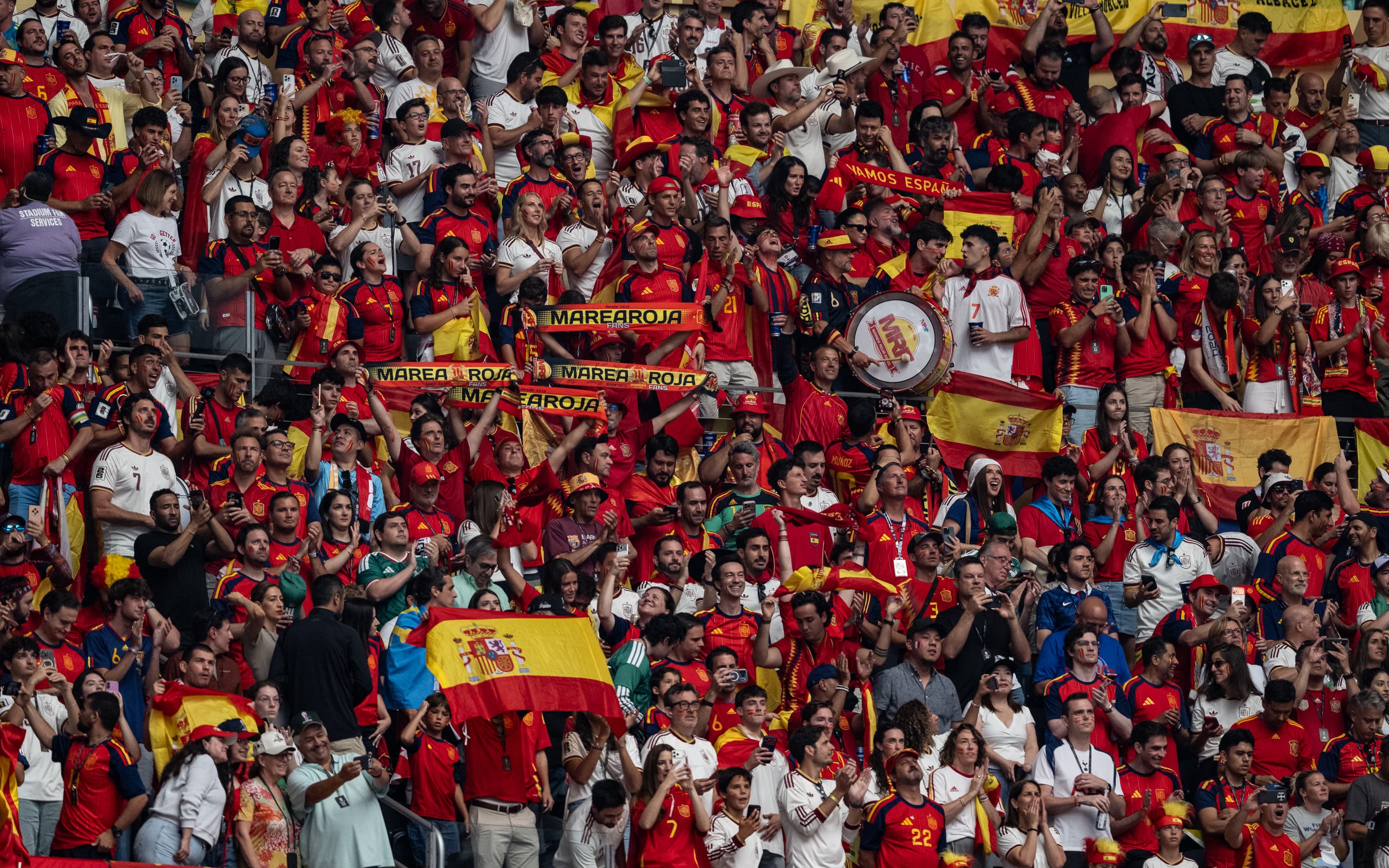
Photo via Dallas Observer
AT&T Stadium's hosting of six World Cup matches generated $8.4 million in beverage sales—a significant venue record—yet Dallas's broader hospitality sector experienced surprisingly muted benefits. According to Dallas Observer analysis of Texas Alcoholic Beverage Commission receipts, the city's bars and restaurants saw single-digit percentage growth in liquor sales during June, suggesting that much of the stadium's revenue remained concentrated within the venue itself rather than distributing across the local hospitality ecosystem.
The limited spillover effect raises important questions for Dallas business leaders evaluating future major sporting events and their true return on investment. While AT&T Stadium's performance was impressive in isolation, the data indicates that foot traffic and spending may not have extended significantly to surrounding entertainment districts, hotels, and independent establishments that typically benefit from large-scale tourism events.
For Dallas hospitality operators and commercial real estate stakeholders, these findings underscore the importance of strategic planning around event venues. Future negotiations with event organizers and venue operators should prioritize incentives that encourage visitor spending throughout the broader Dallas market, not just within stadium walls, to maximize community-wide economic benefits from major international competitions.