Photo via Dallas Observer
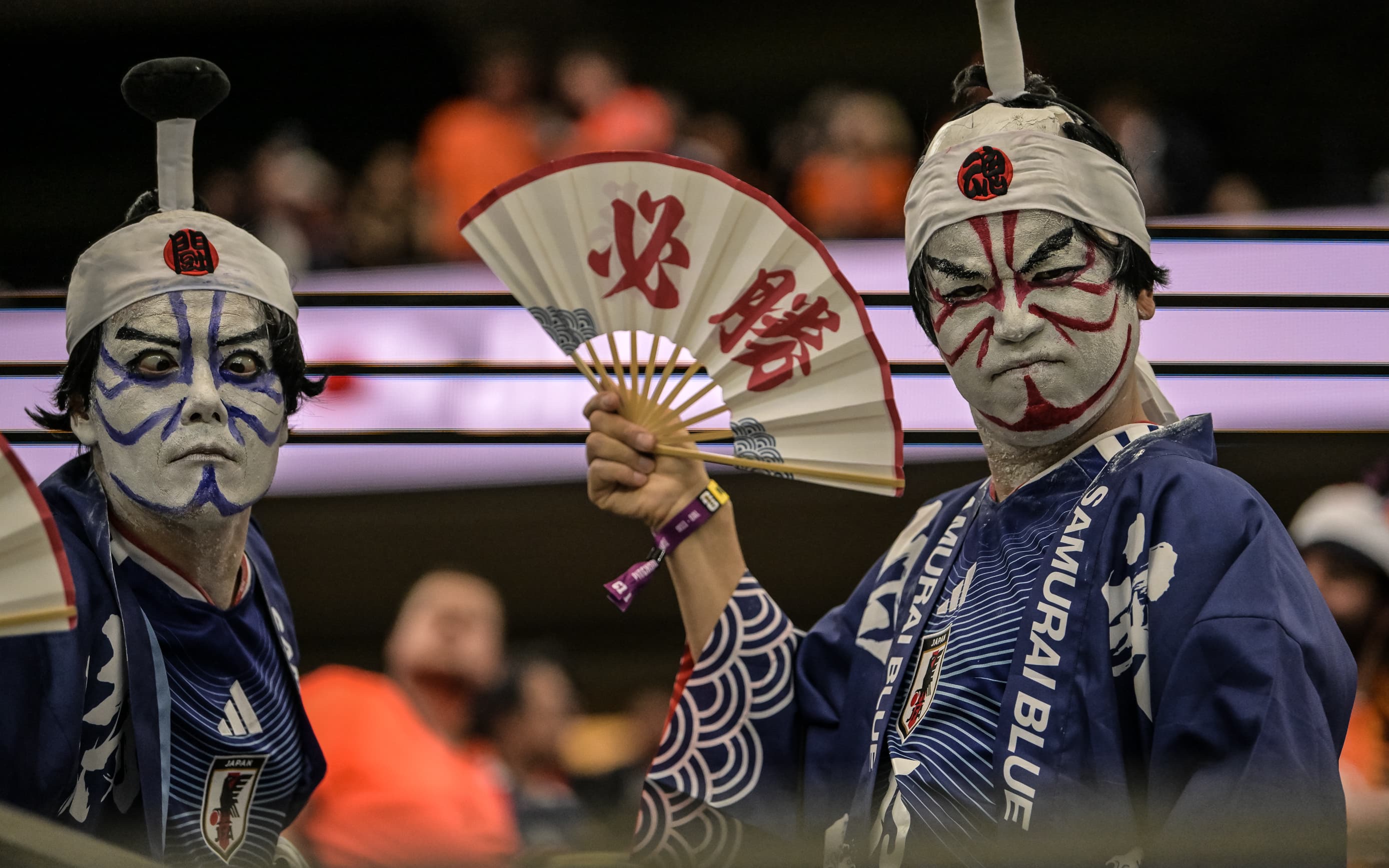
Arlington's selection as a World Cup 2026 host city represents a significant opportunity for North Texas, but also raises important questions about return on investment. According to the Dallas Observer, host cities typically spend hundreds of millions in public funds to stage World Cup matches yet receive minimal direct revenue from FIFA. This funding gap means Arlington and other Texas venues must carefully plan how to leverage the tournament's visibility and infrastructure improvements to generate long-term economic benefits beyond the event itself.
For Dallas-area business leaders and real estate developers, the World Cup presents both immediate and future opportunities. The tournament will drive short-term spending in hospitality, retail, and transportation sectors, but the real value lies in the permanent infrastructure—upgraded stadiums, improved transportation networks, and enhanced facilities that can serve the region for decades. Real estate professionals should consider how these upgrades will impact property values, development patterns, and business district growth in Arlington and surrounding communities.
Success in converting World Cup investment into lasting social impact requires strategic planning from city officials, business leaders, and community stakeholders. Rather than viewing the tournament as a one-time event, Arlington should use it as a catalyst for broader economic development initiatives—workforce training programs, small business support, and infrastructure improvements that address long-term regional needs. Local companies and entrepreneurs who position themselves early to participate in World Cup-related projects may find sustainable growth opportunities extending well beyond 2026.