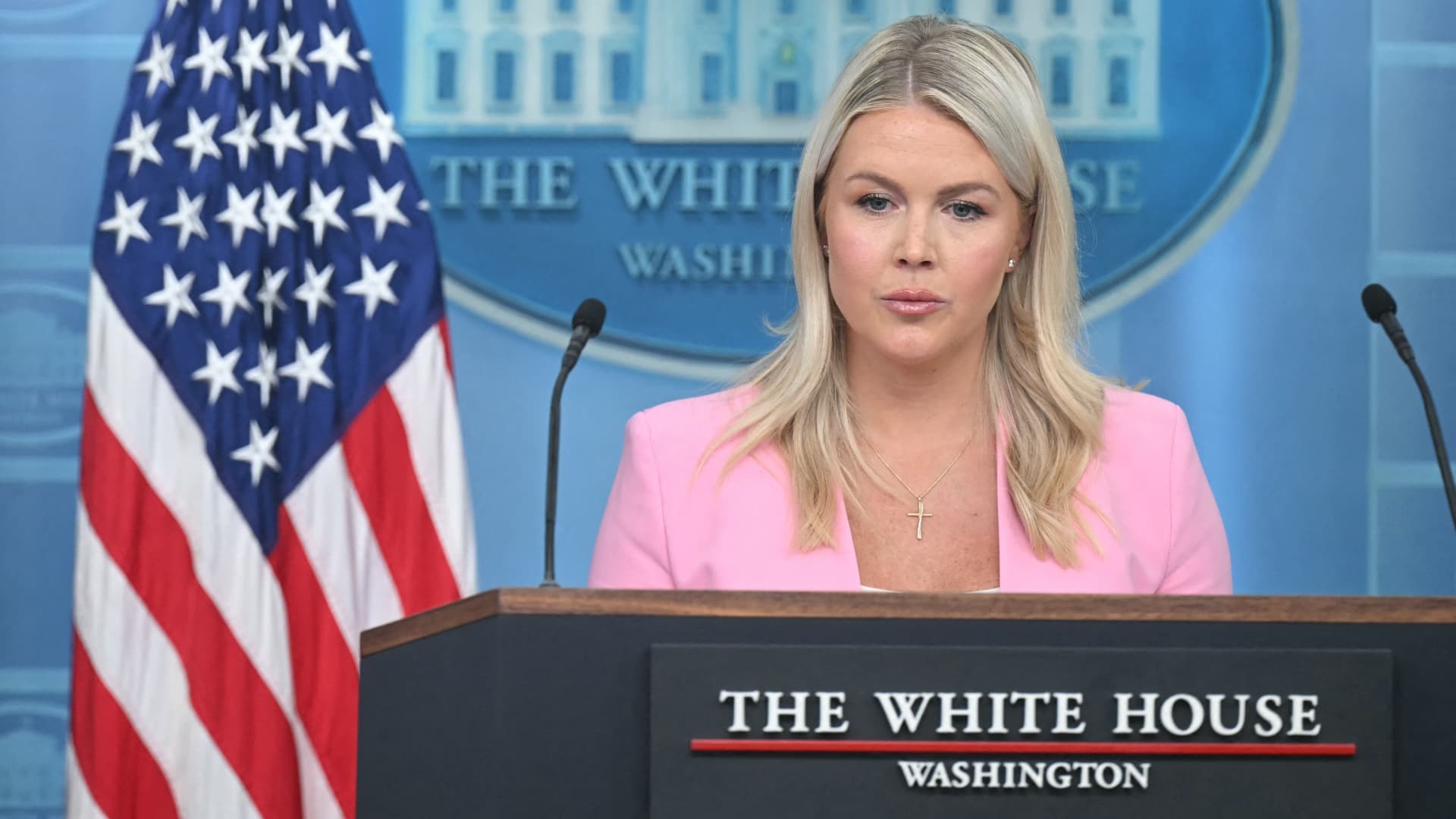
Photo via Fast Company
When organizations struggle to adopt new technologies like AI, the problem often isn't the technology itself—it's the company's underlying culture and values. According to Fast Company, fears about rogue AI systems optimizing ruthlessly are really concerns about capitalism and institutional misalignment. If your organization's foundational ethos is drift-dependent rather than values-driven, any powerful platform you introduce will amplify existing problems rather than solve them.
Consider a common scenario playing out in Dallas boardrooms: A visionary CEO personally champions an innovative AI product that customers love, only to watch it languish as sales teams, developers, and marketing departments mysteriously avoid promoting it. The resistance isn't overt insubordination—it's organizational self-preservation. The company's emergent culture, built over years of operations, develops its own will and preferences that can override even the founder's direct commands. This invisible force functions like what author John Steinbeck called 'the monster'—a system no single person controls, despite appearing to be led.
Organizations behave as superorganisms with their own survival instincts. They maintain boundaries, consume resources, grow, adapt, and exhibit a collective will that emerges from thousands of daily interactions but cannot be found in org charts or employee handbooks. Dallas business leaders often assume that formal authority translates to cultural control, only to discover that the organization itself—not individuals within it—is the real decision-maker when threatened with disruption.
For Dallas companies weighing AI investments and digital transformation, the lesson is clear: Before deploying new technology, examine whether your organization fights for human flourishing or merely for its own perpetuation. Ask whether you're creating genuine value or extracting it. The technology you implement will amplify your company's true ethos, whether that alignment serves your long-term vision or undermines it. Without intentional cultural leadership, your best initiatives will be subtly sabotaged by an organizational immune system protecting the status quo.