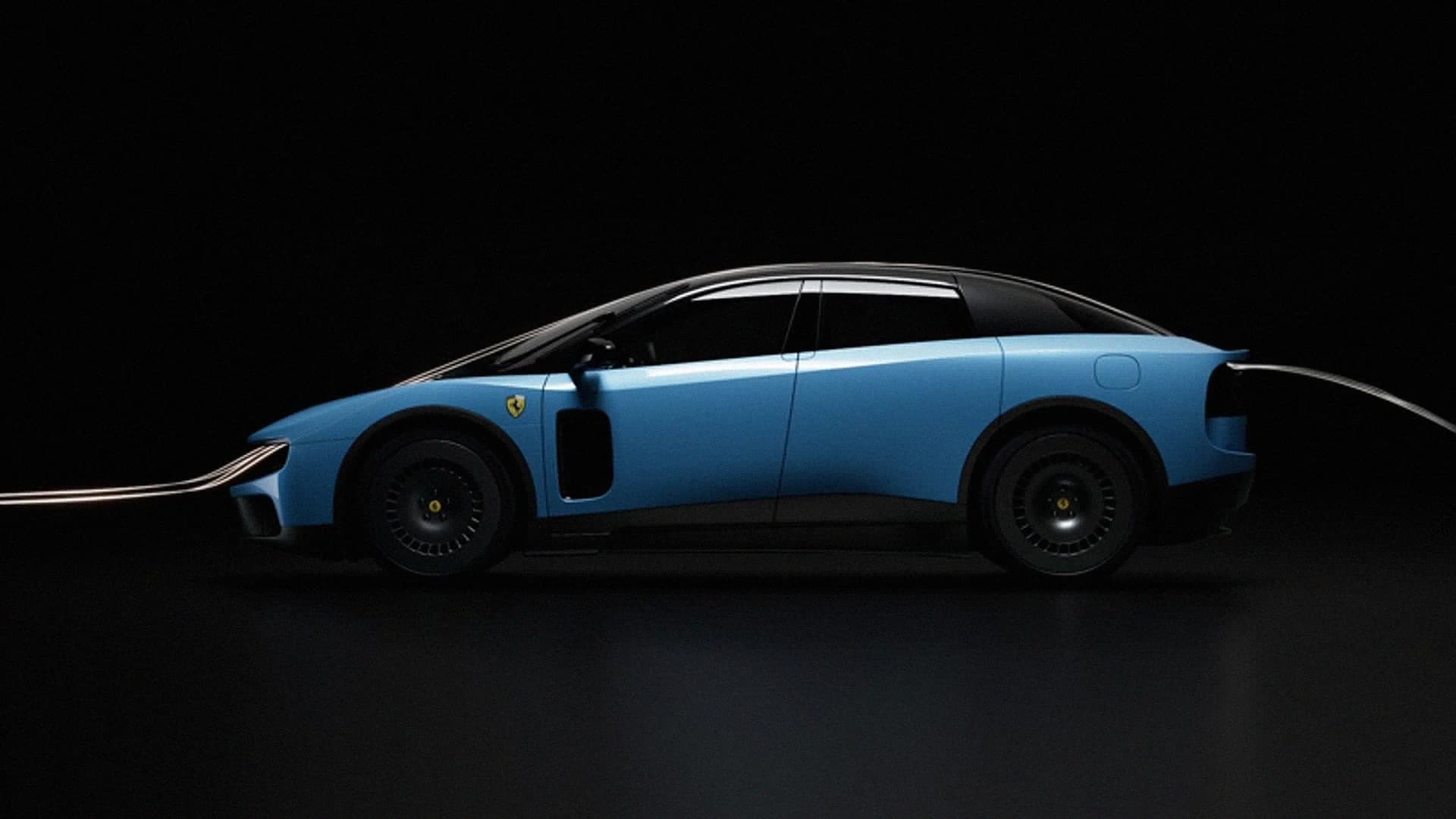
Photo via Inc.
Ferrari's entry into the electric vehicle market with the Luce model has sparked debate about how legacy brands navigate technological transformation. According to Inc., the Italian automaker faces a fundamental challenge: introducing products that align with customer expectations while adapting to industry demands. For Dallas business leaders managing their own digital transformations or market pivots, the stakes are equally high.
The core issue centers on brand perception and emotional resonance. Customers don't simply buy products—they buy into a company's values, heritage, and promise. When a brand introduces offerings that feel misaligned with its core identity, it risks alienating the very customers who made it successful. This principle applies across industries, from technology startups to established Dallas-area manufacturers facing operational shifts.
Leaders should treat brand consistency as a strategic asset during periods of change. Before launching new products or entering new markets, smart executives evaluate whether the move strengthens or dilutes their market positioning. This requires honest conversations with customers, employees, and stakeholders about what the brand truly represents and what customers expect from it moving forward.
The Ferrari case underscores a timeless lesson: innovation and tradition need not conflict, but they must coexist intentionally. Whether you're a Dallas tech company expanding into new services or an established firm modernizing operations, the question isn't just "Can we do this?" but "Should we do this, and does it make sense to our market?" Getting that balance right determines whether change strengthens or weakens your competitive position.