Photo via TechCrunch
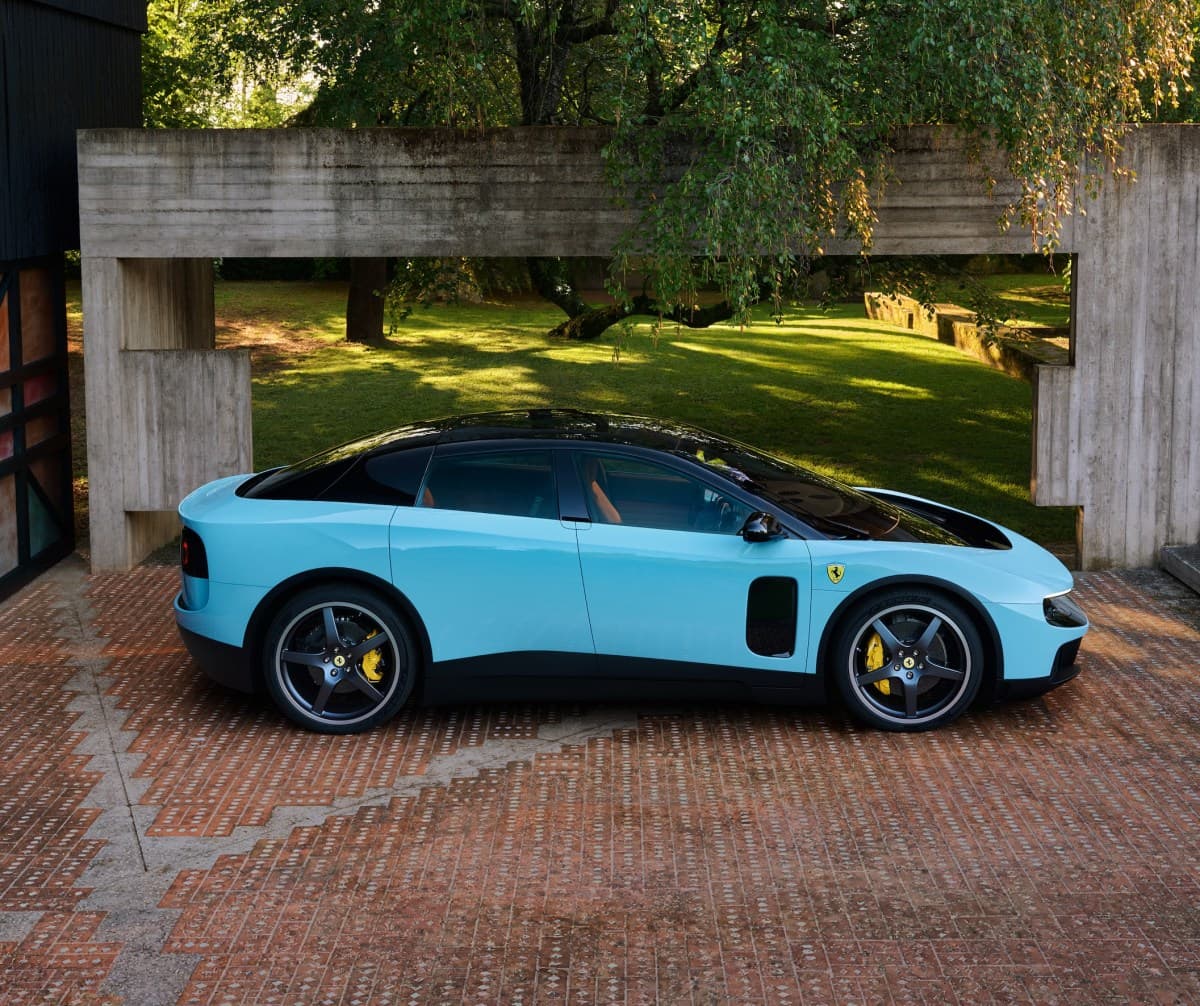
The automotive industry is experiencing a fundamental shift in how manufacturers prioritize product development and market strategy. According to TechCrunch's analysis of mobility trends, consumer sentiment—even negative reception—may matter less than previously assumed when it comes to breakthrough innovations in transportation technology. This represents a significant departure from traditional automotive marketing wisdom, where brand reputation and customer satisfaction historically drove purchasing decisions.
Artificial intelligence and autonomous vehicle capabilities are emerging as the primary drivers of competitive advantage in the mobility sector. Rather than focusing exclusively on consumer appeal or design aesthetics, leading manufacturers are doubling down on technological advancement and AI integration. For Dallas-area logistics and transportation companies evaluating fleet modernization, this trend suggests that capability-focused solutions may outpace style-conscious alternatives in determining long-term market viability.
The implications extend beyond luxury brands to the broader transportation ecosystem. Dallas hosts significant operations for companies managing fleet management, ride-sharing services, and logistics networks that directly depend on vehicle technology choices. As the industry pivots toward prioritizing AI functionality and autonomous capabilities, local businesses should monitor how these technological shifts affect equipment procurement, driver training requirements, and operational planning.
This evolution underscores a broader industry pattern where technical innovation can overcome consumer resistance through demonstrated utility and market necessity. For Dallas business leaders in transportation, logistics, and fleet management, understanding this dynamic is essential for making informed decisions about technology adoption and competitive positioning in an increasingly AI-driven mobility landscape.