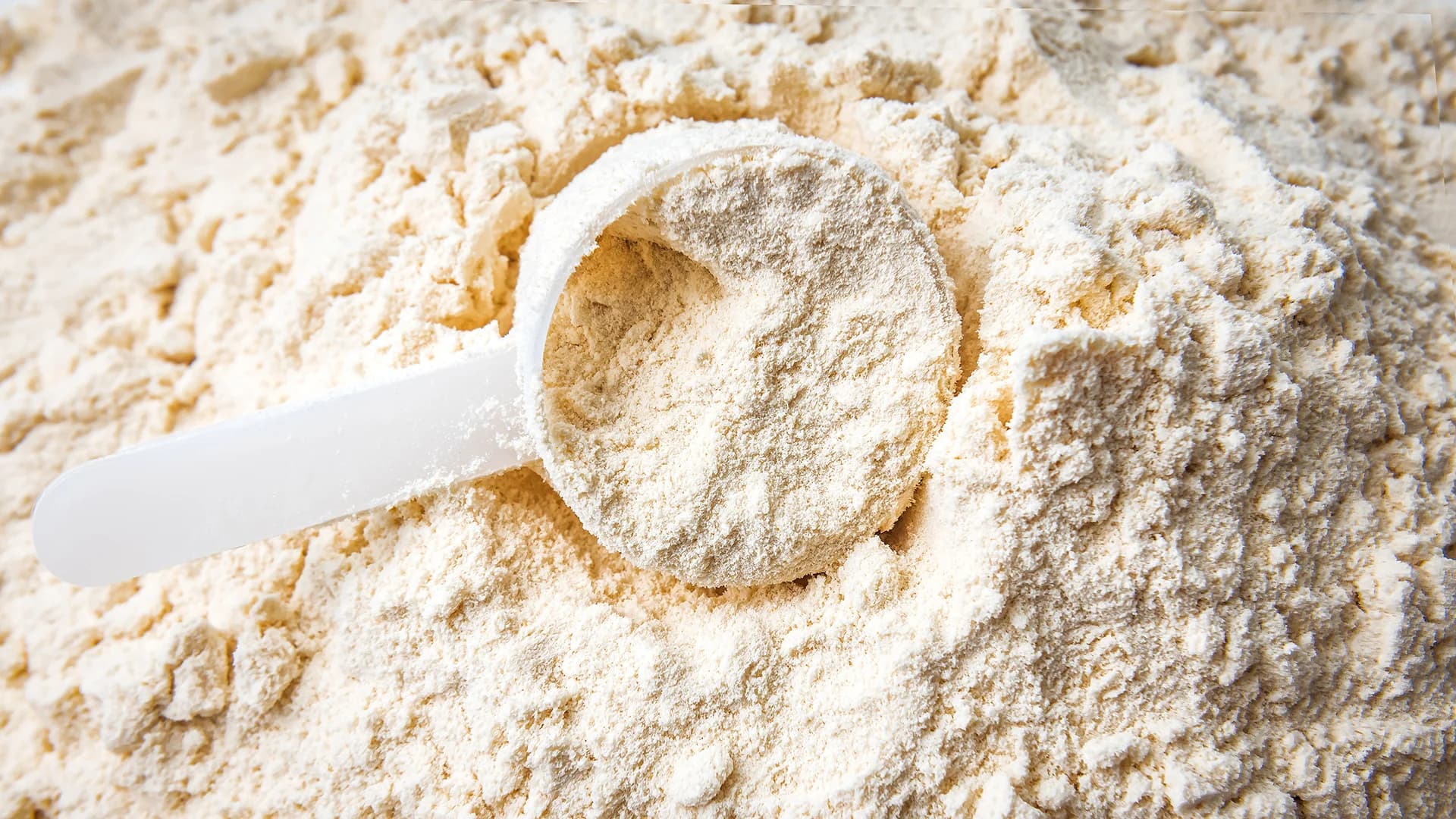
Photo via Inc.
The fitness and nutrition industry is confronting an unexpected supply-chain challenge as whey protein isolate—a key ingredient in protein bars, shakes, and supplements—becomes harder to source. According to Inc., suppliers across the country are reporting shortages of this popular ingredient, a critical component for companies riding the wave of America's sustained protein consumption boom. For Dallas-area manufacturers and retailers in the health foods space, this development signals potential margin pressure ahead.
Whey protein isolate has become ubiquitous in the functional foods market, prized for its high protein content and clean ingredient profile. The shortage reflects broader disruptions in dairy processing and ingredient supply chains that have rippled through food manufacturing. For North Texas companies—from fitness supplement startups to established nutrition brands—sourcing this ingredient has become more competitive and costly, potentially forcing difficult decisions about pricing and product formulations.
Dallas's thriving health and wellness sector, which includes numerous fitness centers, nutrition retailers, and CPG brands focused on active lifestyles, stands to feel this pinch acutely. Rising ingredient costs typically get passed to consumers, and local businesses will need to balance competitiveness with profitability. Companies that locked in supply contracts early may have a temporary advantage, while others may face margin compression or need to reformulate products with alternative proteins.
As the shortage persists, Dallas business leaders in food manufacturing and retail should monitor commodity pricing trends and diversify supplier relationships where possible. Some companies may find opportunity in highlighting alternative protein sources—plant-based, egg-based, or other dairy proteins—positioning themselves as adaptive players in an evolving market. The next few quarters will test the resilience of the region's nutrition-focused businesses.