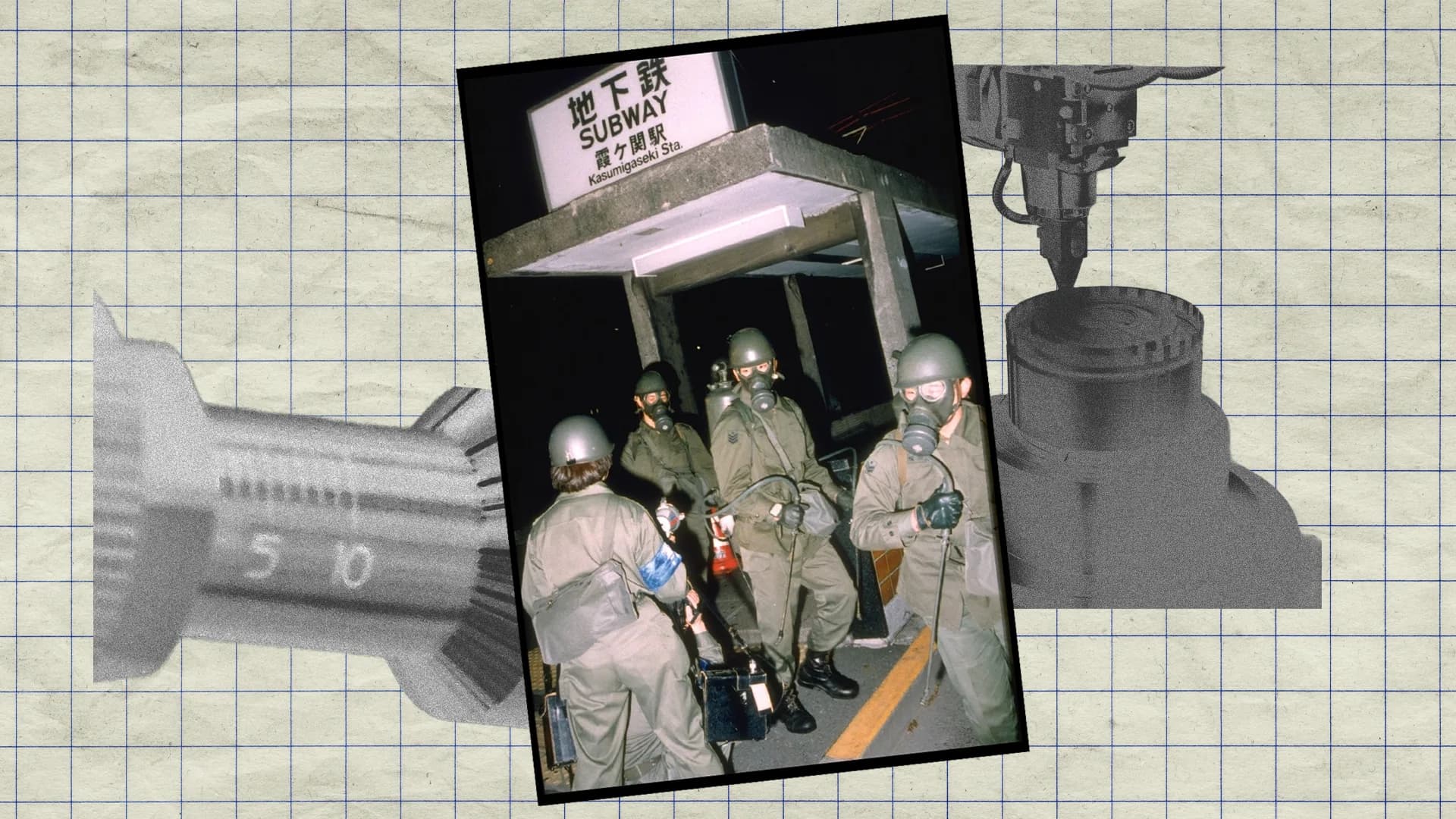
Photo via Inc.
In 1995, a California-based laser manufacturer unknowingly entered into discussions with members of a Japanese doomsday cult seeking to purchase a $400,000 piece of equipment. According to reporting by Inc., the incident predated a deadly sarin gas attack that would later shock Japan and draw international scrutiny. The case serves as a sobering reminder of how even legitimate technology companies can become entangled with dangerous actors when proper vetting procedures aren't in place.
The laser manufacturer's situation underscores a persistent vulnerability in technology sales: the gap between transaction processing and due diligence. Dallas-area tech firms, particularly those in manufacturing and equipment sales, should recognize that sophisticated buyers—regardless of their actual intentions—can appear legitimate on the surface. Without comprehensive background checks and buyer verification protocols, companies risk inadvertently supporting activities that could result in legal liability, reputational damage, and regulatory consequences.
For technology businesses operating in North Texas, this case offers practical lessons for compliance procedures. Industry experts recommend implementing enhanced screening processes for high-value equipment sales, especially items with dual-use applications. Companies should establish clear policies for vetting customers, documenting sales decisions, and maintaining audit trails. Organizations that serve both commercial and research sectors face particular responsibility to distinguish between legitimate academic or industrial uses and potentially harmful applications.
Today's regulatory environment has evolved significantly since 1995, with export controls and customer screening now standard practice in sensitive technology sectors. Dallas-based firms dealing in specialized equipment—whether in aerospace, medical devices, industrial systems, or advanced manufacturing—should view robust vendor diligence not as a burden but as essential business infrastructure that protects both their operations and their communities.