Photo via Inc.
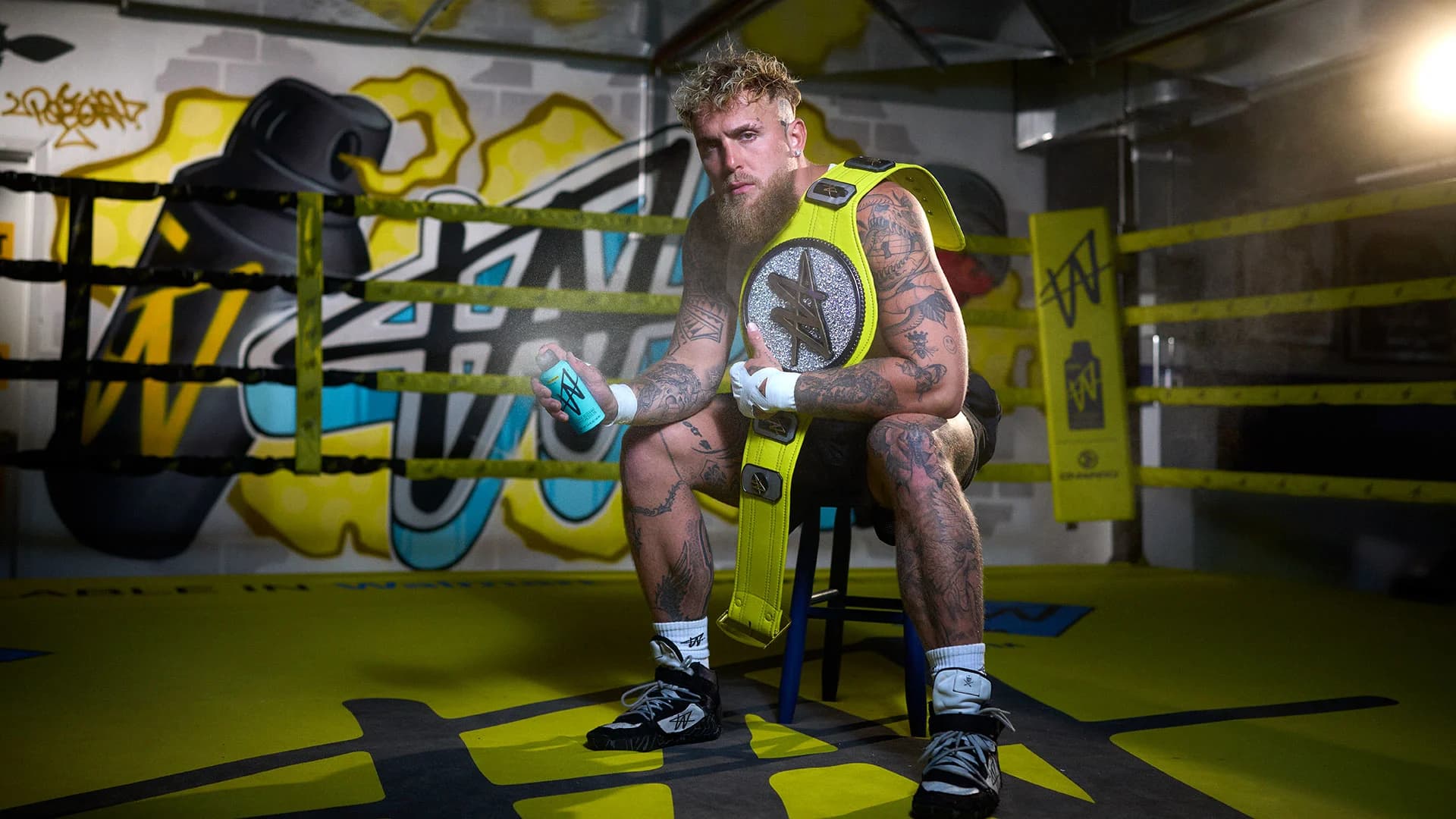
Jake Paul's personal care brand W experienced the kind of launch most startup founders dream about: strong initial sales and significant market attention. However, the company quickly discovered that revenue momentum alone doesn't guarantee long-term success. According to reporting by Inc., the brand encountered critical product formula issues that threatened to undermine customer trust and repeat purchases—a cautionary tale for Dallas-area consumer product entrepreneurs who may rush to scale before perfecting their offering.
Rather than dismissing customer complaints or doubling down on the original formula, W's leadership took a different approach: they listened. The company systematically gathered feedback from users who had critiqued the product's performance and composition, then invested resources into reformulation efforts. This responsiveness reflects a growing trend among modern consumer brands to treat customer feedback as a competitive advantage rather than an obstacle.
The brand's willingness to iterate based on market response demonstrates an important principle for Dallas startups entering the retail and consumer goods space. Companies that launch with significant capital or influencer backing often face pressure to maintain early momentum, but sustainable growth requires balancing speed-to-market with product excellence. By acknowledging problems and committing to improvement, W positioned itself for customer retention over short-term gains.
For Dallas entrepreneurs building consumer brands, the W case study underscores the value of robust quality control processes before scaling production and a genuine commitment to customer satisfaction. As the personal care and wellness market continues to attract startup investment, companies that prioritize honest engagement with their audience—even when it means admitting and fixing problems—are more likely to build lasting brand loyalty and sustainable business models.