Photo via Fast Company
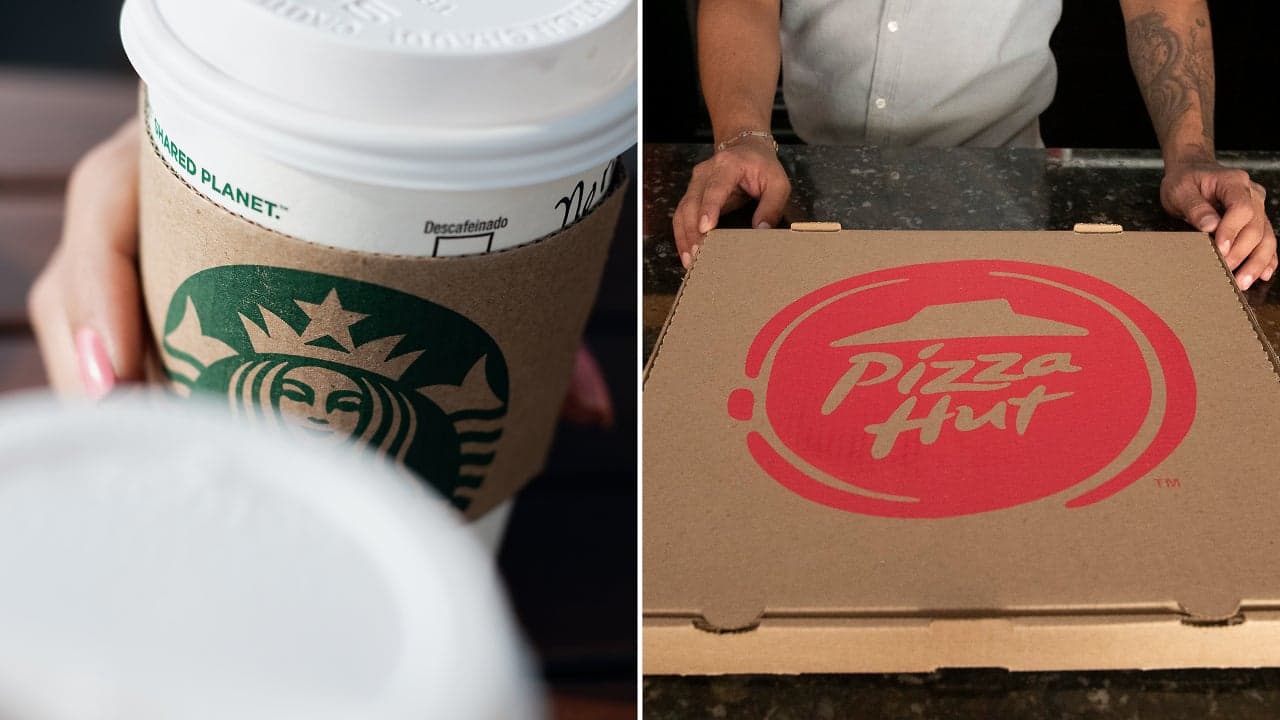
Recent high-profile stumbles by Starbucks and Pizza Hut are raising questions about AI adoption timelines across the food service industry. According to Fast Company, Starbucks retired an automated inventory-counting system this week after it produced frequent errors and mislabeled products at locations across North America. Meanwhile, Pizza Hut franchisee Chaac Pizza Northeast filed a lawsuit alleging that a forced implementation of an AI delivery optimization tool called Dragontail increased average order wait times from under 30 minutes to over 45 minutes, contributing to estimated losses exceeding $100 million.
The Dragontail case illustrates how well-intentioned AI implementations can backfire when systems lack proper testing and stakeholder input. The software was designed to give delivery drivers real-time visibility into order status, but instead created congestion as drivers waited for multiple orders simultaneously. Chaac Pizza Northeast, which operates more than 100 locations and relies exclusively on DoorDash, saw sales performance swing from a 10.19% increase to a 9.78% decline at New York City locations following the rollout.
Starbucks has taken a different approach, describing its AI strategy as one based on continuous testing and partner feedback. The company plans to continue investing in other AI initiatives, including barista assistance tools and order-sequencing systems, while maintaining a willingness to cut underperforming applications. This measured approach contrasts with what some observers view as rushed AI deployment across the industry.
For Dallas-area business leaders evaluating AI investments, these cases underscore the importance of pilot testing, clear performance metrics, and buy-in from frontline staff before full-scale rollouts. Social media commentary suggests we may be entering a phase where companies pull back from AI rather than rushing forward, making it critical for local enterprises to distinguish between proven applications and experimental implementations.