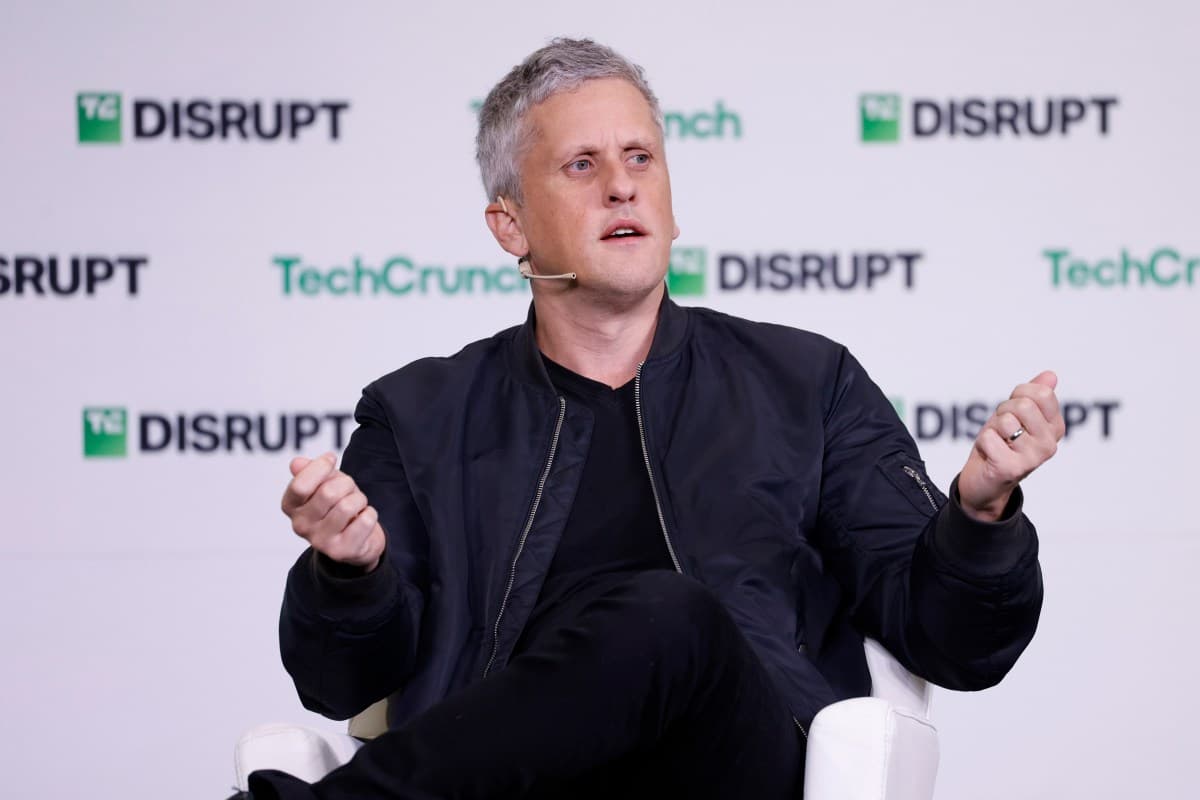
Photo via TechCrunch
A growing concern is emerging in executive suites across the country: leaders are making sweeping decisions about AI automation without fully grasping what their employees actually do. According to Box founder Aaron Levie, this disconnect represents what he calls 'AI psychosis'—a dangerous overconfidence in artificial intelligence's ability to replace human roles. The problem, Levie argues, is structural: those making the automation decisions often lack the operational knowledge needed to evaluate whether AI can truly handle the work.
Recent evidence suggests this trend is accelerating. Companies like ClickUp have already moved aggressively on this front, cutting 22% of their workforce in favor of AI agents. Tech sector layoffs in 2026 are tracking ahead of pace compared to all of 2025, signaling that many organizations are betting heavily on AI replacing rather than augmenting human workers. For Dallas-area tech companies and enterprises relying on technology talent, these trends could reshape the local labor market.
The risk for Dallas business leaders is multifaceted. Rushing to replace workers without understanding their true contributions can damage institutional knowledge, disrupt client relationships, and reduce overall productivity. When decisions are made at the executive level without input from those doing the actual work, critical nuances get lost. A customer success manager, for instance, may appear replaceable until a major account walks because an AI system missed the subtle relationship-building that kept them satisfied.
The lesson for North Texas business leaders: enthusiasm for AI's potential should be tempered with rigorous analysis of how it fits into actual workflows. Before announcing layoffs tied to automation, companies should conduct deep audits of specific roles, involve team members in the evaluation process, and consider hybrid approaches where AI augments rather than replaces human judgment. The companies that navigate this transition thoughtfully will likely outperform those driven purely by hype.