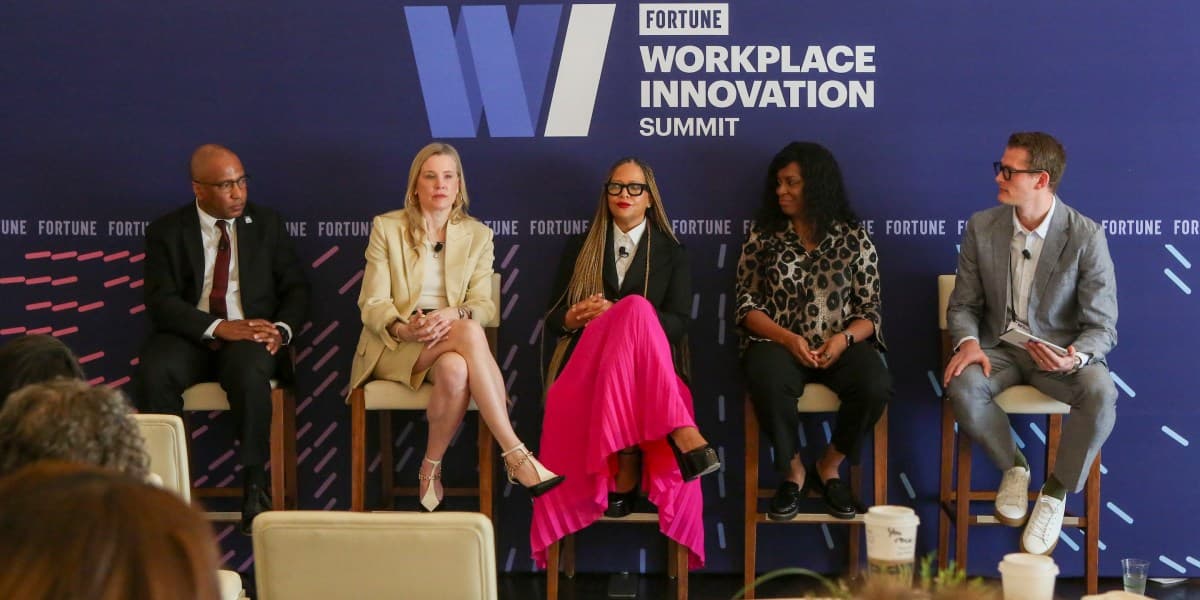
Photo via Fortune
The traditional path to employment—land a degree, land a job—no longer guarantees entry into the workforce. According to insights shared at Fortune's Workplace Innovation Summit, employers across industries are reassessing what they actually need from entry-level candidates. For Dallas businesses competing for talent in a tight market, this shift represents both a challenge and an opportunity to reshape recruitment strategies.
Employers increasingly value practical competencies that extend beyond academic performance. Communication, problem-solving, and the ability to learn quickly have become decisive factors in hiring decisions. Dallas-area companies in technology, healthcare, and financial services report that candidates demonstrating these adaptable skills often outperform those with impressive GPAs but limited real-world experience. The implication is clear: companies are willing to invest in training technical expertise if candidates show foundational interpersonal and cognitive strengths.
For job seekers in the Dallas region, this evolution means building a portfolio of experiences that showcases versatility. Internships, volunteer work, and leadership roles in student organizations increasingly matter as much as academic credentials. Local employers are also recognizing the value of candidates who understand industry-specific challenges—whether in energy, finance, or tech—and can articulate how their skills address actual business problems.
As Dallas continues to attract corporate relocations and grow its startup ecosystem, understanding these shifting expectations positions both employers and graduates for success. Companies that clearly communicate the skills they're hiring for will attract stronger candidates, while graduates who develop well-rounded capabilities will find more pathways into their chosen fields.