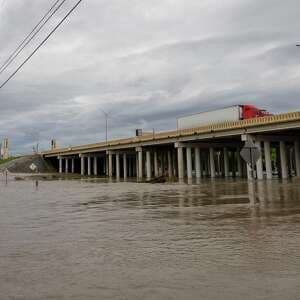
Photo via San Antonio Express-news
According to the San Antonio Express-News, an unoccupied Waymo robotaxi encountered floodwaters on the I-35 frontage road near Salado Creek on April 20 during heavy rains. The vehicle, operating without passengers or a safety driver, drove into the flooded area and was subsequently swept away by the rising water, highlighting a significant vulnerability in autonomous vehicle operations.
The incident occurred in one of San Antonio's most flood-prone zones, underscoring a critical challenge for autonomous vehicle companies: programming vehicles to recognize and avoid hazardous environmental conditions. Unlike human drivers who can make intuitive judgment calls during extreme weather, autonomous systems rely on sensor data and pre-programmed decision trees that may not account for rapidly changing flood conditions.
For Dallas-area business leaders monitoring autonomous vehicle technology adoption, the incident serves as a cautionary tale about the limitations of current autonomous systems. As companies like Waymo expand robotaxi services across Texas markets, weather-related failures could slow regulatory approval and consumer acceptance in a region prone to severe storms and flash flooding.
The incident reinforces that autonomous vehicle deployment requires robust environmental monitoring capabilities and sophisticated decision-making protocols to handle edge cases—particularly in Texas, where seasonal weather patterns present unique challenges. Companies developing autonomous technology will need to demonstrate enhanced safety measures before widespread adoption becomes viable in flood-prone areas.