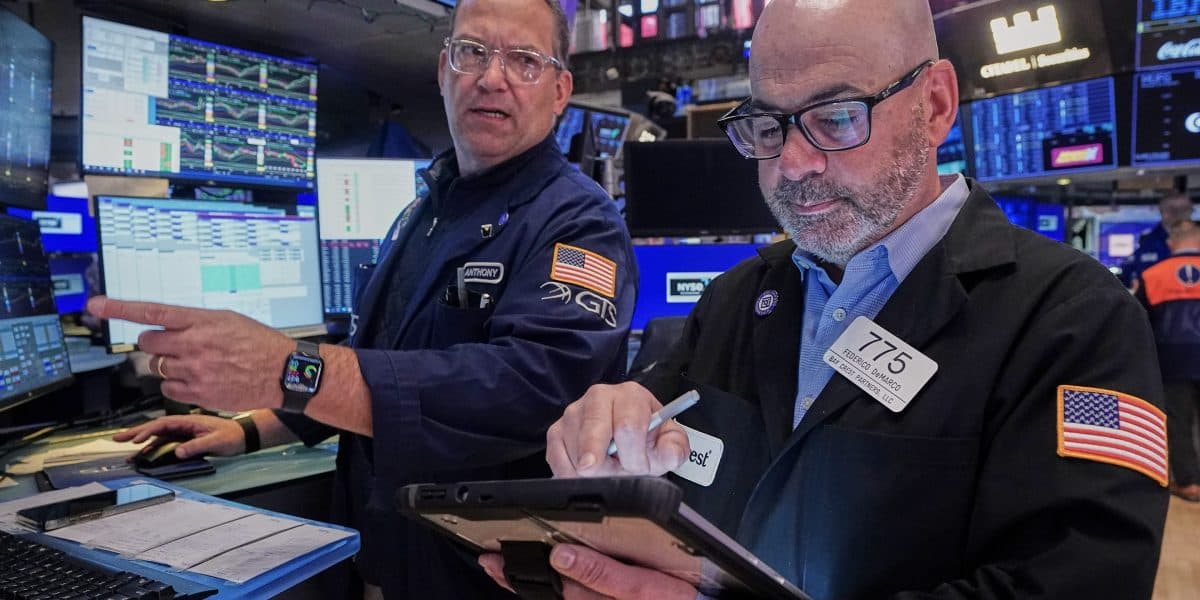
Photo via Fortune
The disconnect between equity market performance and Main Street sentiment has reached a critical inflection point. While the S&P 500 and major indices post their eighth consecutive winning week, consumer confidence metrics have hit concerning lows, signaling a troubling gap between investor optimism and household economic anxiety. This bifurcation raises important questions for Dallas-area business leaders about the durability of current market gains and their relevance to actual consumer purchasing power.
For Dallas retailers, hospitality providers, and consumer-facing businesses, this divergence presents a strategic challenge. Strong corporate earnings and rising asset values benefit equity holders—often concentrated in higher income brackets—but haven't translated into broadening consumer spending. Local business owners are navigating an environment where stock portfolios soar while Main Street sentiment suggests caution, potentially pressuring revenue growth in sectors dependent on discretionary spending.
The regional implications extend beyond consumer retail. Dallas's diverse economy—anchored by financial services, technology, energy, and real estate—means different sectors experience this split differently. While downtown office markets and financial firms may benefit from market confidence, Main Street anxiety could dampen activity in real estate development, hospitality, and small business expansion across the metroplex.
For Dallas business leaders, the current environment underscores the importance of distinguishing between market signals and underlying economic fundamentals. Companies that accurately read consumer sentiment—rather than relying solely on equity valuations—may find competitive advantage in adjusting pricing, inventory, and growth strategies to match actual demand rather than market enthusiasm.