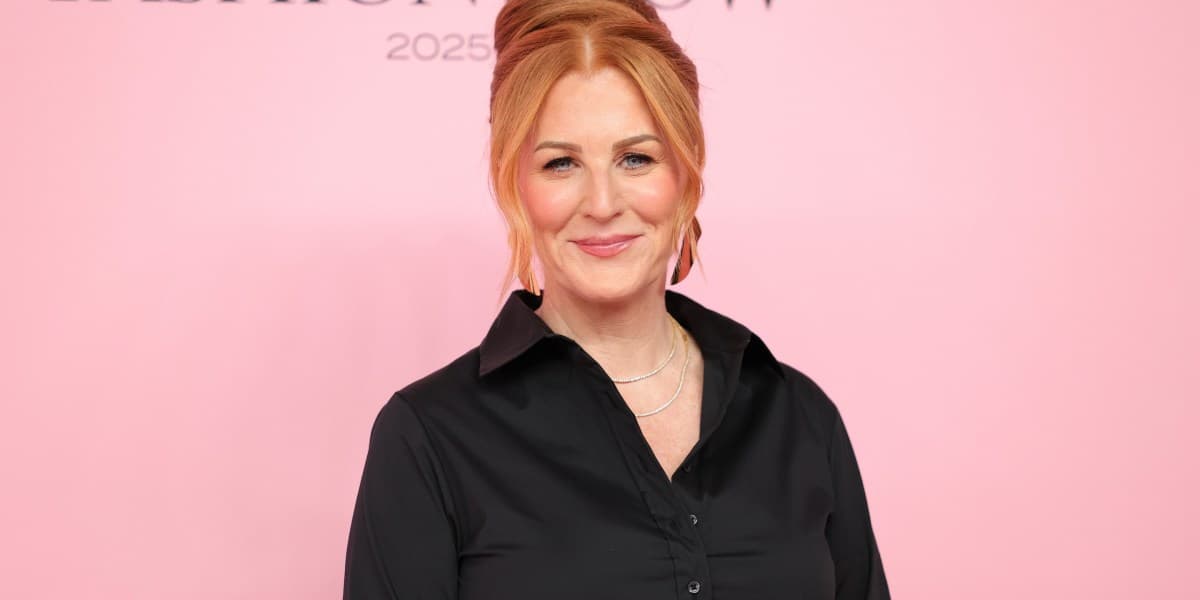
Photo via Fortune
Hillary Super has taken the helm at Victoria's Secret with a refreshingly direct strategy: abandon the corporate posturing and return to what made the brand resonate with customers in the first place. According to Fortune, Super rejected what industry observers call 'woke-washing'—superficial corporate activism disconnected from genuine business practices—in favor of a more grounded approach focused on product quality and brand heritage. This tonal shift marks a significant departure from recent years of scattered messaging and signals a broader retail lesson: authenticity resonates more powerfully than performative corporate rhetoric.
A key pillar of Super's turnaround involves dismantling the relentless discount cycle that had eroded Victoria's Secret's perceived value. The company has reduced promotional frequency and focused on full-price selling, a strategy that mirrors approaches adopted by other apparel retailers seeking to strengthen brand positioning and profit margins. By controlling inventory and limiting sales events, Victoria's Secret is attempting to rebuild customer perception of quality and exclusivity—principles that regional retailers in Dallas should consider when evaluating their own promotional strategies.
Wall Street has responded positively to these operational changes, according to the source, signaling investor confidence that the brand's fundamental appeal remains intact when stripped of unnecessary corporate complexity. The financial market's receptiveness suggests that shareholders value substance over statement-making, a sentiment that extends across retail sectors. For Dallas-based retail leaders and investors, the Victoria's Secret case study demonstrates that sometimes the path to growth requires honest reassessment rather than aggressive expansion.
The broader implication of Super's strategy extends beyond a single company: modern consumers increasingly distinguish between authentic brand values and manufactured corporate positioning. This shift challenges retailers across Texas and beyond to evaluate whether their brand messaging aligns with operational reality. As the retail landscape evolves, Victoria's Secret's pivot toward genuine brand positioning—rather than chasing trending corporate narratives—may provide a template for sustained customer loyalty and financial performance in a competitive marketplace.