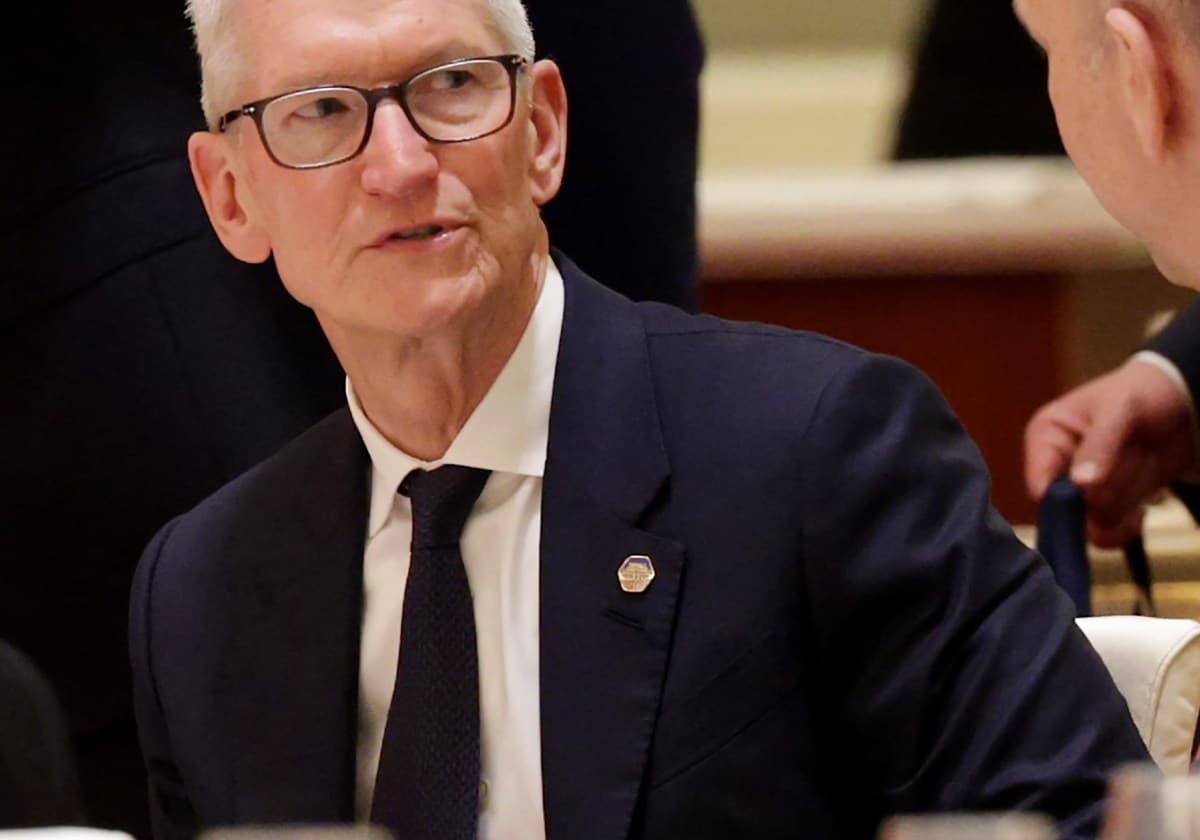
Photo via TechCrunch
Following a diplomatic summit in China, US officials implemented strict security protocols requiring travelers aboard Air Force One to dispose of gifts, pins, and burner phones before returning home. According to TechCrunch, the measure underscores growing concerns about intelligence gathering and surveillance risks associated with international travel to adversarial nations.
The precaution reflects broader anxieties within federal agencies regarding China's sophisticated espionage and intelligence capabilities. While the summit itself proceeded in a cordial manner, security officials remain vigilant about potential methods foreign intelligence could use to compromise sensitive information or plant surveillance devices on US personnel and equipment.
For Dallas-area executives and companies engaged in international business dealings, particularly those in technology, manufacturing, and energy sectors with Chinese partnerships, the incident serves as a reminder of heightened security considerations. Businesses routinely send employees to China for negotiations, trade missions, and supply chain management, making awareness of these risks essential.
The incident highlights why corporate security protocols have become increasingly sophisticated. Dallas firms operating globally should review their own information security practices, employee briefing procedures, and asset management policies to ensure compliance with federal guidelines and protect proprietary business information during international travel.