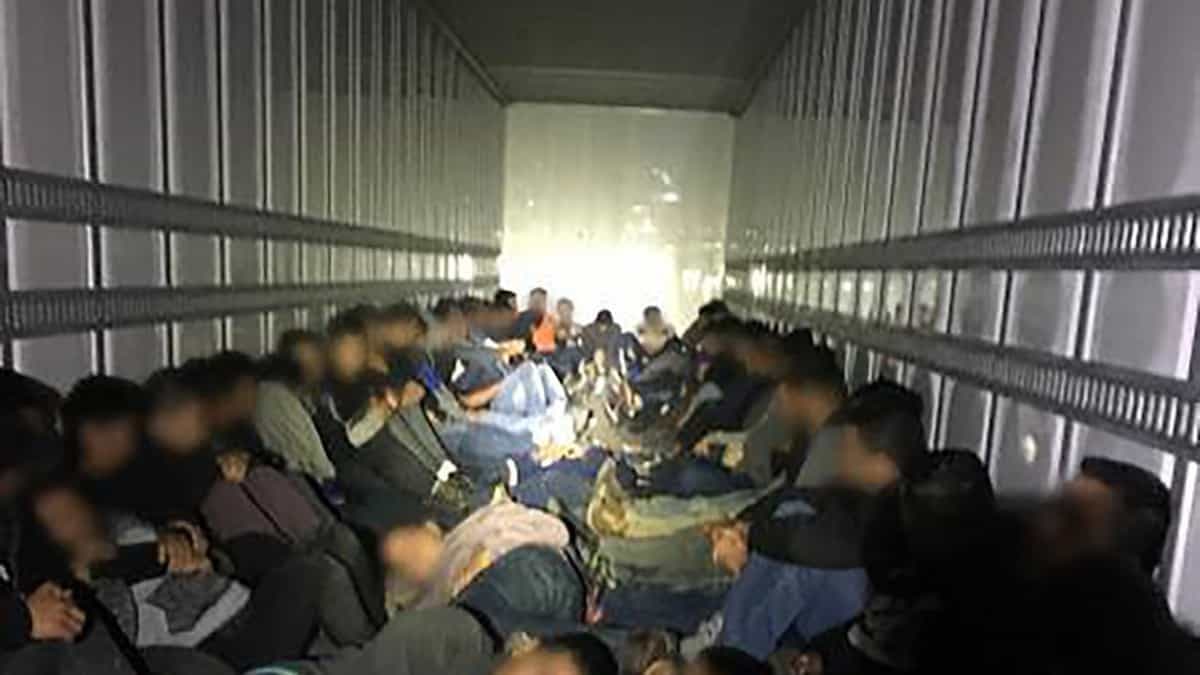
Photo via FreightWaves
The U.S. government has announced a significant trade enforcement action, imposing tariffs as high as 12.5% on products imported from 60 countries deemed insufficiently committed to eliminating forced labor in their supply chains. According to FreightWaves, this broad-based tariff approach marks an escalation in Washington's efforts to police labor practices across global trade partners and enforce compliance with international standards.
For Dallas-area businesses engaged in retail, manufacturing, and logistics, these tariffs carry immediate implications. Companies sourcing textiles, electronics, agriculture, and consumer goods from affected nations face higher procurement costs, potentially squeezing margins or forcing price increases at retail. Supply chain managers in the region will need to reassess sourcing strategies and evaluate whether to absorb costs or pass them to consumers.
The tariff structure varies by country and product category, creating a complex compliance landscape. Dallas-based importers and distributors will likely need to audit their supplier networks to identify exposure and determine the most cost-effective path forward—whether diversifying suppliers, shifting production to unaffected countries, or negotiating with current partners on pricing adjustments.
The enforcement action underscores growing pressure on multinational corporations to demonstrate ethical labor practices throughout their supply chains. For Dallas companies with global operations or international supplier relationships, this represents a broader trend requiring investment in supply chain transparency, auditing systems, and compliance infrastructure to remain competitive and avoid tariff penalties.