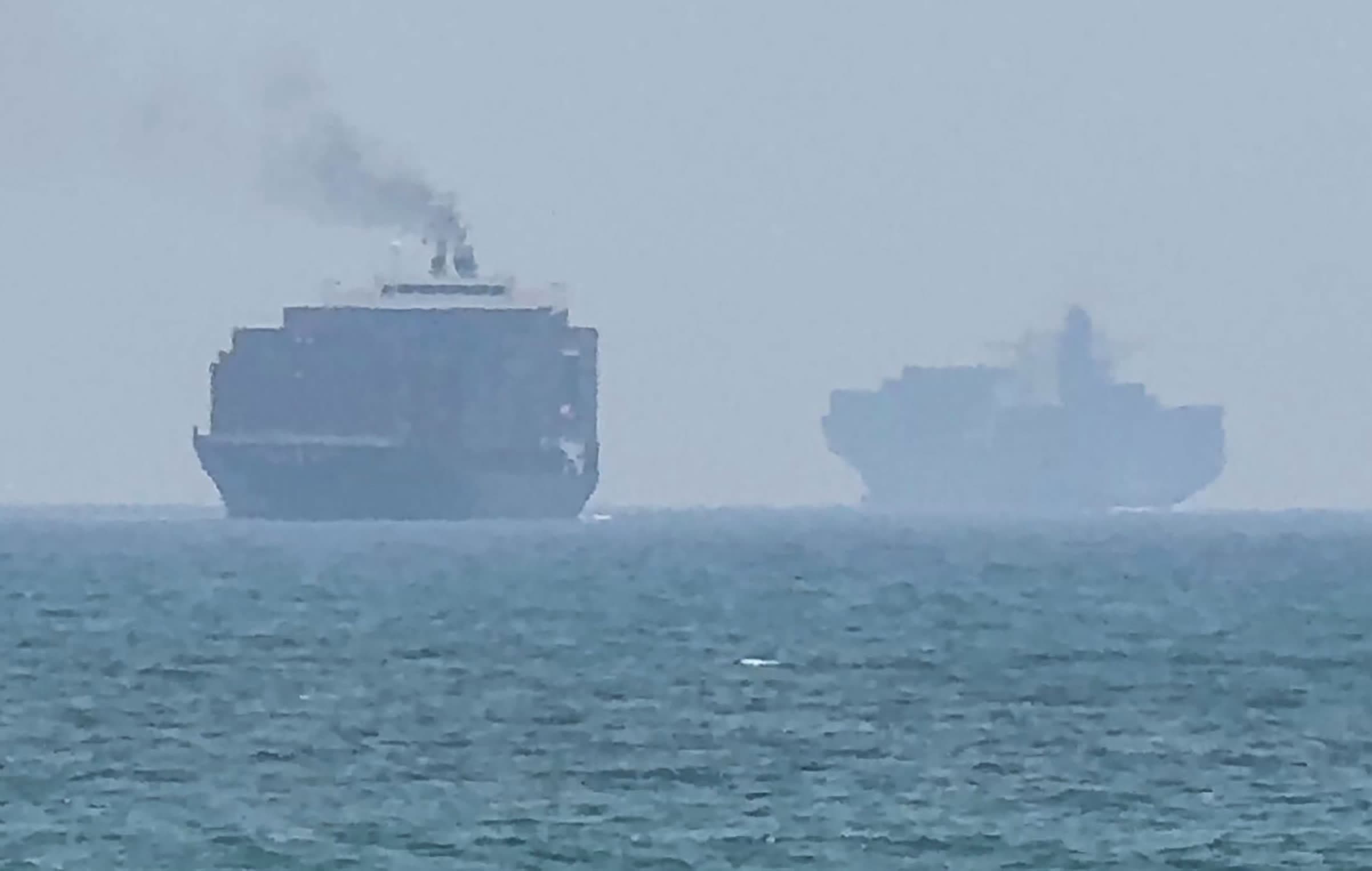
Photo via CNBC
U.S. Central Command has reaffirmed that critical shipping lanes through the Strait of Hormuz remain accessible and unimpeded, according to official statements. The assertion comes as senior Trump administration officials, including Treasury Secretary Scott Bessent, have signaled that negotiations toward a potential agreement with Iran may be accelerating, raising hopes for renewed diplomatic engagement on the nuclear issue.
The Strait of Hormuz, one of the world's most strategically important maritime chokepoints, serves as a transit route for approximately one-fifth of global oil shipments. Assurances of continued access carry significant implications for energy markets and international commerce. The U.S. military's confirmation that the southern route specifically remains open addresses concerns that geopolitical tensions could disrupt vital energy supplies.
The parallel messaging about both military readiness and diplomatic progress reflects the administration's effort to balance security considerations with negotiation objectives. Bessent's comments suggest momentum building toward a potential deal that could reshape U.S.-Iran relations and reduce regional tensions, while the military's statement underscores Washington's commitment to maintaining freedom of navigation in one of the world's most consequential shipping routes.