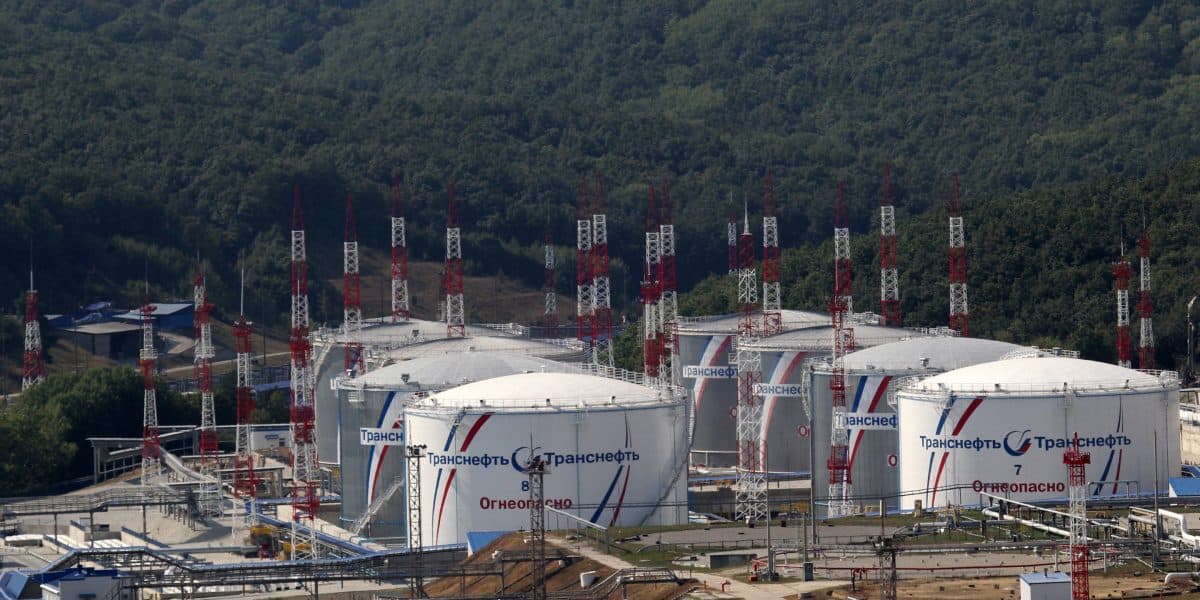
Photo via Fortune
Ukrainian forces have intensified their long-range strike capabilities by targeting Russian oil export infrastructure, including a significant attack on a Russian oil terminal used for international sales. According to Fortune, the strike sparked a fire at the facility, marking an expansion of Kyiv's ability to conduct precision operations deep within Russian territory. These attacks represent a strategic shift in how Ukraine is prosecuting the conflict beyond traditional frontline warfare.
The drone campaign has also extended to Russia's maritime operations, with Ukrainian forces successfully hitting vessels belonging to Russia's informal 'shadow fleet'—tankers used to circumvent international sanctions and maintain oil export revenues. The targeting of these assets demonstrates Ukraine's determination to disrupt Russia's economic capacity to fund its military operations while the country operates under Western economic restrictions.
For Dallas-area energy professionals and investors, these developments carry implications for global crude supply chains and pricing. Any sustained disruption to Russian oil exports could influence production strategies and commodity markets that Texas energy companies monitor closely. Energy traders and logistics firms watching geopolitical risk should consider how prolonged conflicts affecting major oil producers factor into their forecasting models.
The expanding scope of Ukrainian strikes signals a potential shift in how energy infrastructure becomes a target in modern conflicts. As these operations continue, energy sector analysts suggest monitoring how supply chain vulnerabilities and sanctions enforcement evolve, particularly given the interconnected nature of global oil markets where North American producers and refiners maintain significant exposure to international price movements.