Photo via Fast Company
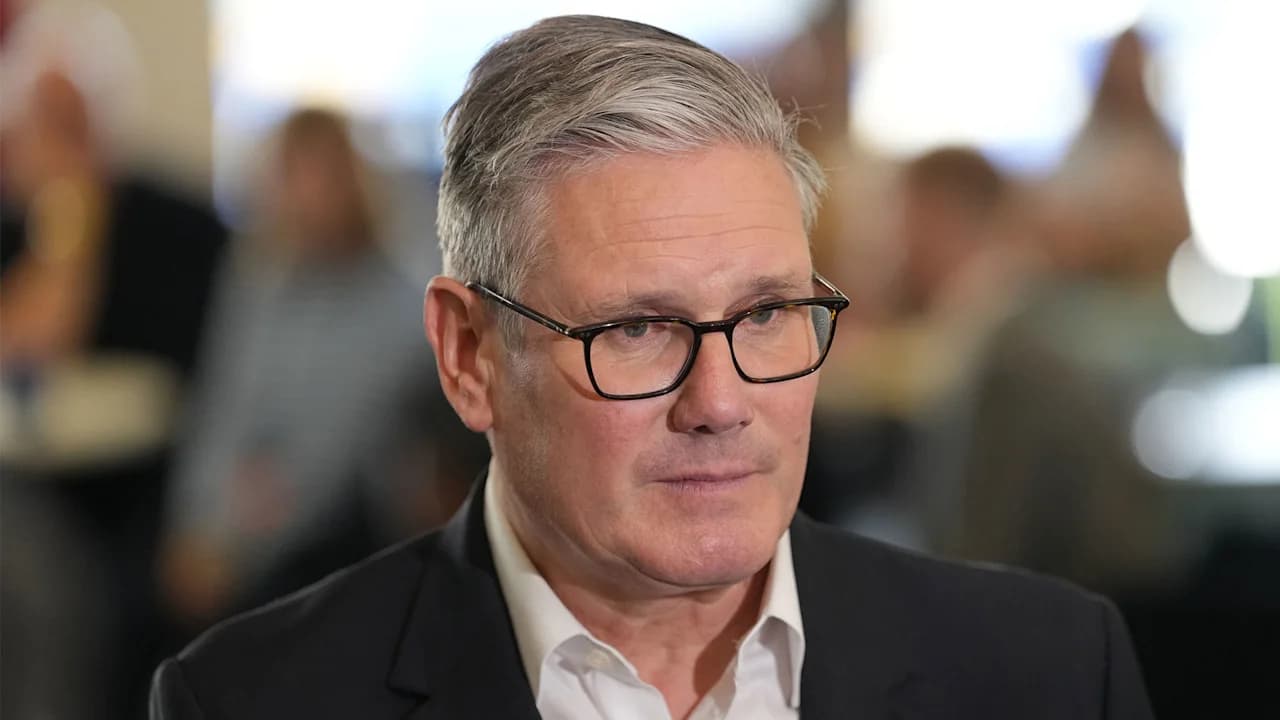
UK Prime Minister Keir Starmer is defending his position against growing calls for his resignation from within his own Labour Party. According to reports, approximately 80 Labour lawmakers—nearly one-fifth of the party's House of Commons representation—have publicly urged him to step down or announce a timeline for departure. While the formal threshold for triggering a leadership contest requires 81 lawmakers, the mounting pressure underscores deep internal divisions that threaten government stability.
Starmer's troubles stem from Labour's poor performance in recent local elections, which represents a dramatic reversal from the party's landslide victory just months ago. Multiple factors have eroded his standing, including policy missteps, perceived lack of strategic vision, economic headwinds in Britain, and judgment questions surrounding high-profile appointments. The first resignation from his government came when junior minister Miatta Fahnbulleh stepped down, citing concerns that the administration lacked the vision and values expected by voters.
The political instability is already affecting financial markets and investor confidence. According to the source report, interest rates on British government bonds have risen more steeply than comparable nations, signaling that investors view UK government debt as riskier amid the leadership uncertainty. Starmer acknowledged this reality, stating that political destabilization carries 'real economic cost for our country and for families.'
For Dallas-area businesses with UK operations or investments, the situation underscores how quickly political leadership crises can create market volatility and operational uncertainty. While a national election need not be called until 2029, the UK's constitutional rules allow for midterm leadership changes. The tension between Starmer's defiant stance and the mounting pressure from his own party will likely shape UK business policy and investor sentiment in coming weeks.