Photo via Fast Company
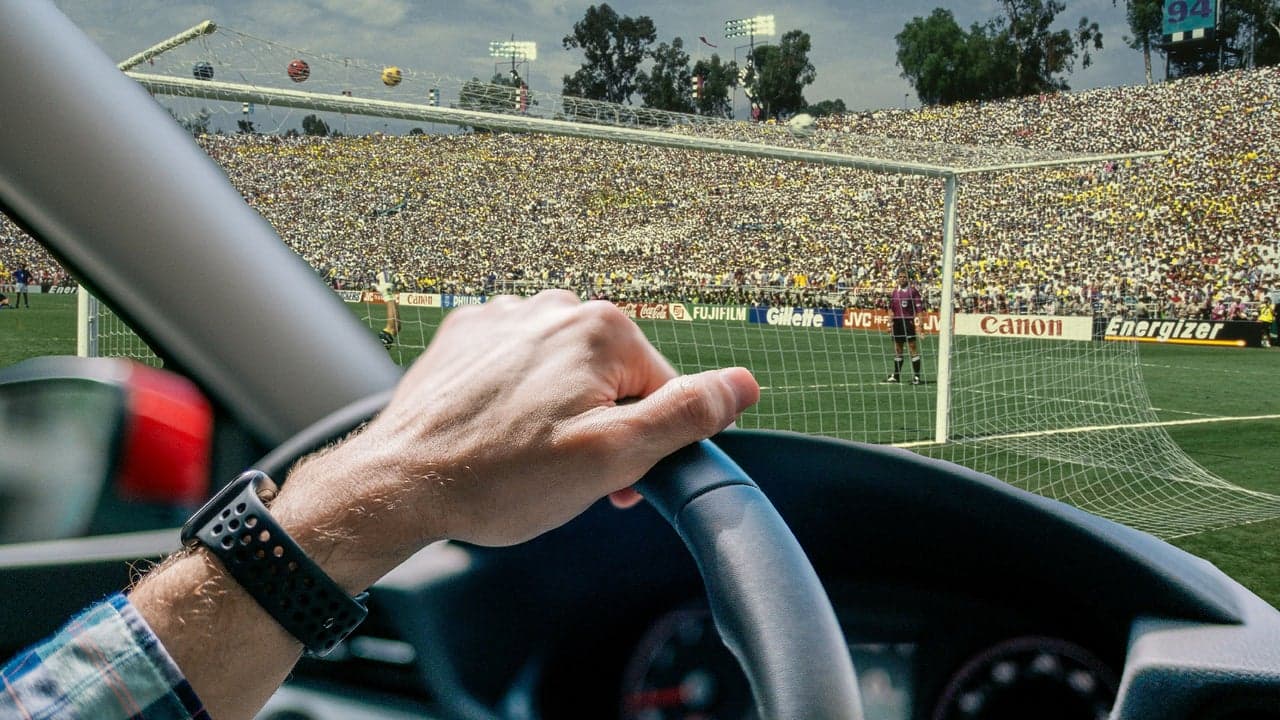
Uber Technologies is preparing for the 2026 FIFA World Cup with a suite of mobility and navigation features designed to handle the influx of international visitors expected across North American host cities. The company's announcement includes enhanced in-app wayfinding technology, shuttle service coordination at select venues, and a Travel Pass offering bundled discounts on rides and food orders—a multi-service approach that reflects how transportation companies are positioning themselves as essential partners for large-scale events.
The standout feature is Uber's enhanced smart wayfinding capability, which provides turn-by-turn directions within airports and stadiums themselves. Visitors unfamiliar with venues in San Francisco, Seattle, Los Angeles, and Atlanta will be able to use the Uber app to navigate from their seats directly to designated pickup zones, reducing confusion and congestion that typically plagues major events. According to Uber's VP of Product Amit Fulay, the goal is to simplify logistics so attendees can focus on the tournament rather than navigation headaches.
For Dallas-area business readers, this development highlights how technology infrastructure and last-mile logistics have become competitive advantages for major cities hosting events. As North American cities compete to attract future sporting events and conventions, the ability to seamlessly integrate transportation technology—from wayfinding to shuttle coordination—increasingly factors into venue selection and fan experience decisions.
Uber's approach also reveals broader market trends in indoor mapping and navigation services. The company's "defeated discounts" offering—a 30% reduction on rides when a fan's team is eliminated—demonstrates how rideshare platforms are using behavioral psychology and emotional engagement to drive repeat usage during high-traffic periods. This strategy underscores the competitive nature of the mobility sector as companies vie for share during major events.