Photo via Marketwatch
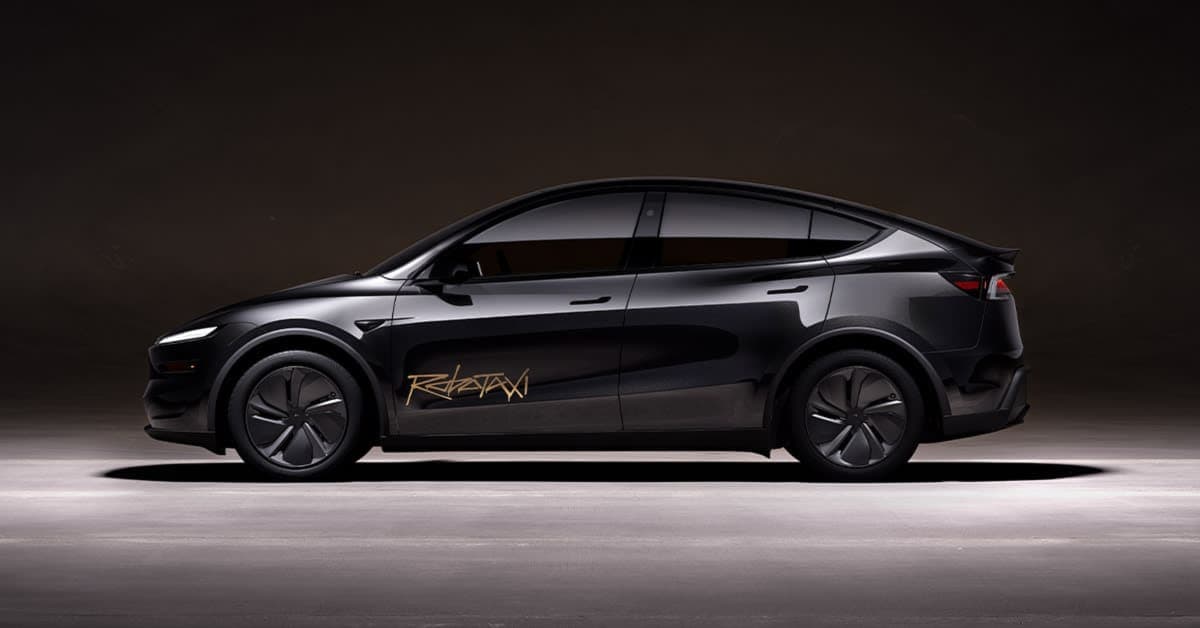
The race to dominate robotaxi services has taken an unexpected turn, with ride-sharing giant Uber emerging as one of the largest spenders in the space despite not manufacturing vehicles. According to MarketWatch, Uber is committing roughly $500 million to secure robotaxi partnerships, positioning itself as a critical middleman between autonomous vehicle developers and consumers. This approach contrasts sharply with Tesla and Waymo, which are investing heavily in their own vehicle development and technology infrastructure.
For Dallas-area businesses and logistics providers, Uber's strategy signals a shifting landscape in autonomous transportation. Rather than betting on a single technology or manufacturer, Uber is hedging its bets by locking in partnerships that could reshape how goods and people move through the region. The company's substantial financial commitment suggests confidence that robotaxis will become a mainstream service within the next several years, potentially affecting everything from courier services to last-mile delivery operations that many North Texas businesses depend on.
Waymo's autonomous capabilities and Tesla's manufacturing scale represent different paths to the same destination, but Uber's spending strategy reveals a third option: financial leverage and platform dominance. By securing long-term agreements with multiple robotaxi providers, Uber may ensure its survival and relevance regardless of which technology ultimately prevails—a lesson not lost on Dallas entrepreneurs and investors watching how emerging transportation technologies reshape local commerce.