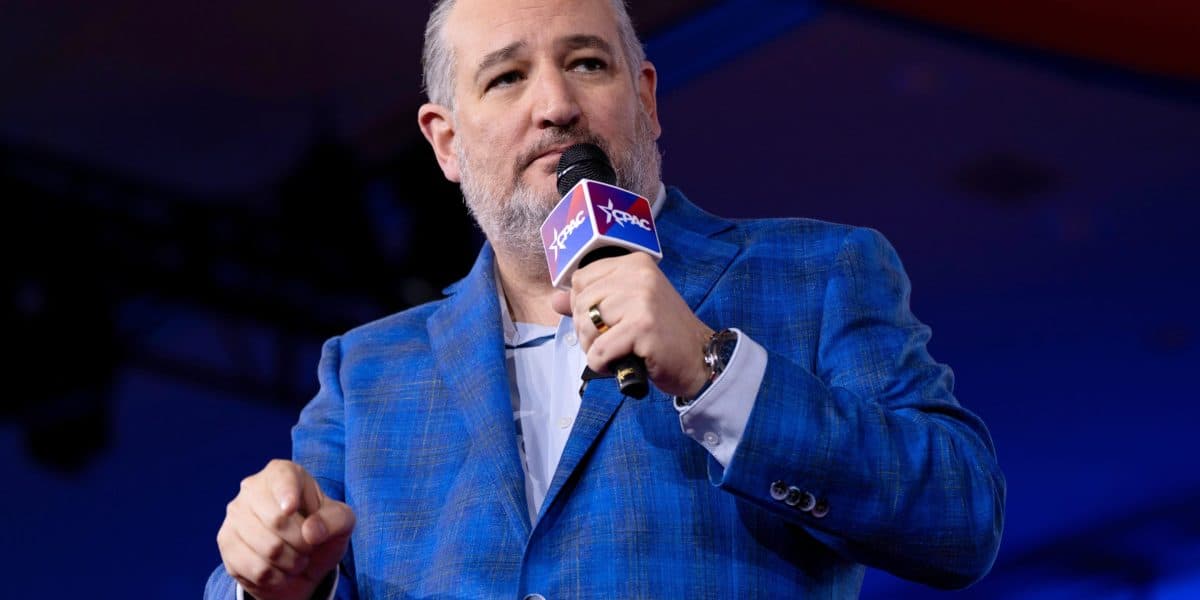
Photo via Fortune
Former President Donald Trump has pushed back against Republican colleagues who have publicly expressed concerns about his approach to potential Iran ceasefire negotiations, according to Fortune. Trump's dismissive response to internal party criticism highlights deepening divisions within Republican ranks over foreign policy strategy heading into the 2024 political cycle.
The disagreement centers on the terms and timing of any potential deal with Iran, with some GOP leaders warning that hasty negotiations could undermine U.S. interests in the Middle East. Trump countered these warnings by emphasizing the need for deliberation, stating that both sides must take adequate time to ensure accuracy, leaving no room for errors in the agreement's terms.
For Dallas-area businesses, particularly those in the energy sector and defense contracting, geopolitical developments with Iran carry significant weight. Energy prices, supply chain stability, and defense spending patterns are all influenced by U.S. foreign policy decisions in the Middle East. Companies operating in these sectors closely monitor diplomatic developments that could reshape regional dynamics.
The intra-party debate reflects broader uncertainty about how Republican leadership will navigate complex foreign policy challenges in coming months. Investors and business leaders in Texas are watching these political developments closely, as shifts in Iran policy could ripple through energy markets, aerospace contracts, and international trade considerations affecting the regional economy.