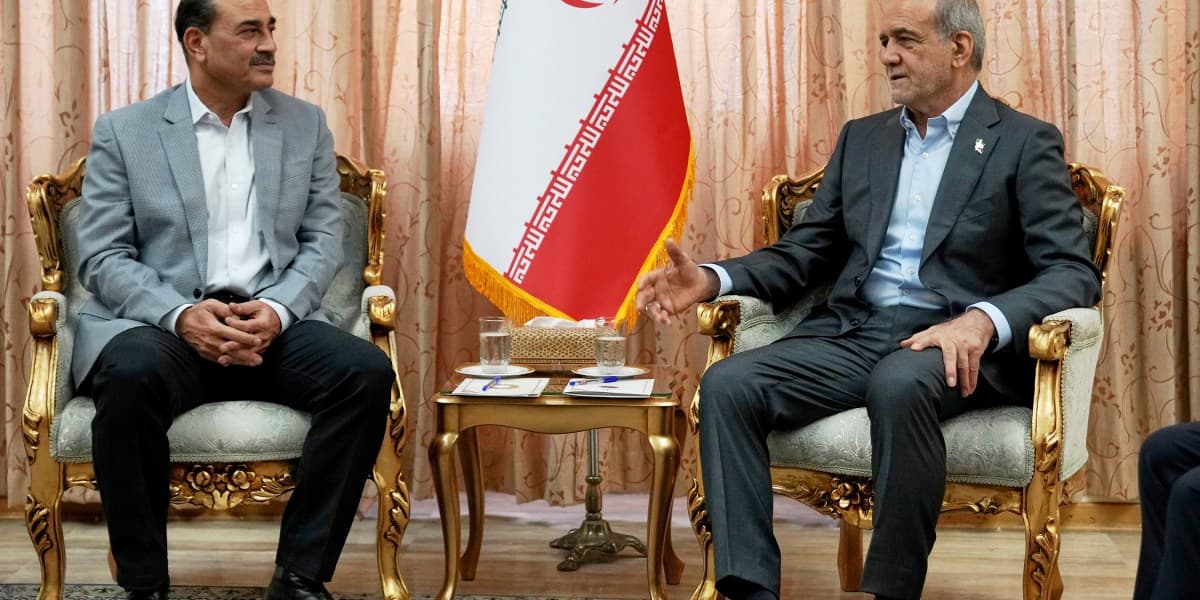
Photo via Fortune
The Trump administration has indicated that negotiations with Iran regarding access through the Strait of Hormuz have advanced considerably, according to Fortune. Secretary of State Marco Rubio told journalists in India that meaningful progress has been achieved in talks, with potential announcements expected in the near term.
The Strait of Hormuz remains one of the world's most critical chokepoints for global energy supplies, with roughly one-third of all seaborne oil passing through the waterway. Any disruption or closure of this vital shipping lane has historically created volatility in energy markets, directly impacting fuel prices and operational costs for businesses across Texas and the nation.
For Dallas-area companies—particularly those in energy, logistics, and manufacturing—a reopened strait would likely stabilize crude oil prices and reduce uncertainty in supply chains. Energy sector investors and petrochemical manufacturers who rely on predictable commodity pricing would particularly benefit from the resolution of this geopolitical tension.
While details of the proposed agreement remain limited, the administration's optimism about reaching a deal signals a potential shift in U.S.-Iran relations that could have far-reaching implications for global commerce. Texas business leaders should monitor further developments closely, as any agreement could reshape energy markets and international trade dynamics in coming months.