Photo via Spokesman
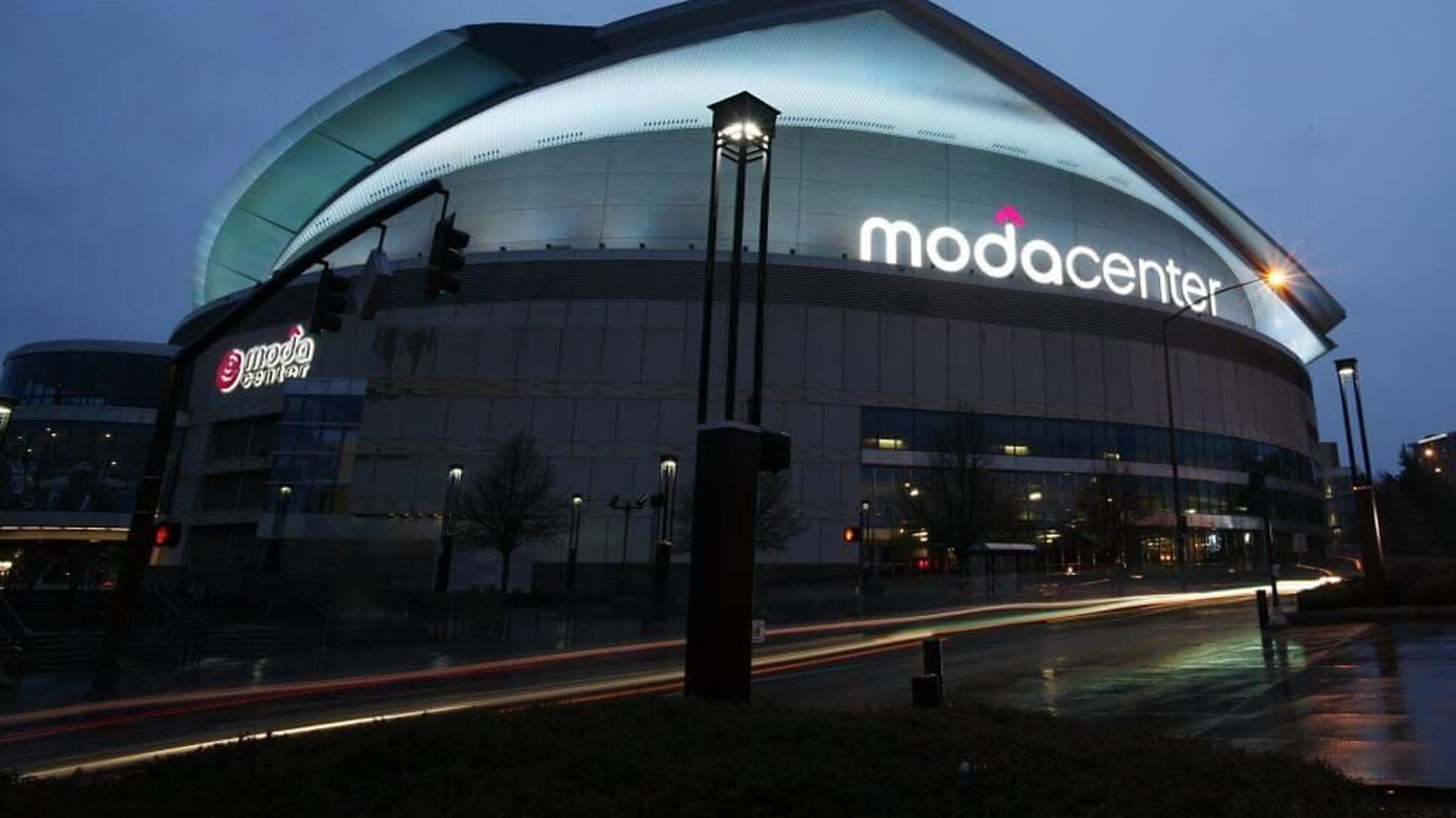
Since acquiring the Portland Trail Blazers this spring, owner Tom Dundon has implemented significant organizational changes that have drawn scrutiny from the franchise and local community. According to the Spokesman, these moves include substantial staff reductions and a cautious approach to the team's coaching contract, with only the first year guaranteed for newly hired head coach Micah Nori. Such cost-cutting measures in sports franchises often signal broader strategic shifts in how ownership intends to operate.
Dundon's management style reflects a more conservative financial approach than his predecessors, raising questions about long-term investment in the organization and its roster. The limited coaching contract terms, in particular, suggest the ownership is hedging against uncertainty—a stark contrast to industry norms where multi-year commitments demonstrate confidence in leadership vision. This tension between fiscal restraint and franchise stability could influence the organization's competitive trajectory and market standing.
The situation underscores ongoing debates among sports business professionals about ownership priorities and their impact on franchises. For Dallas-area business leaders watching the professional sports landscape, the Trail Blazers situation illustrates how operational decisions made at the ownership level can create friction with communities and employees. Questions now linger about whether these cost-containment strategies signal potential relocation discussions or merely a new ownership philosophy focused on fiscal efficiency.