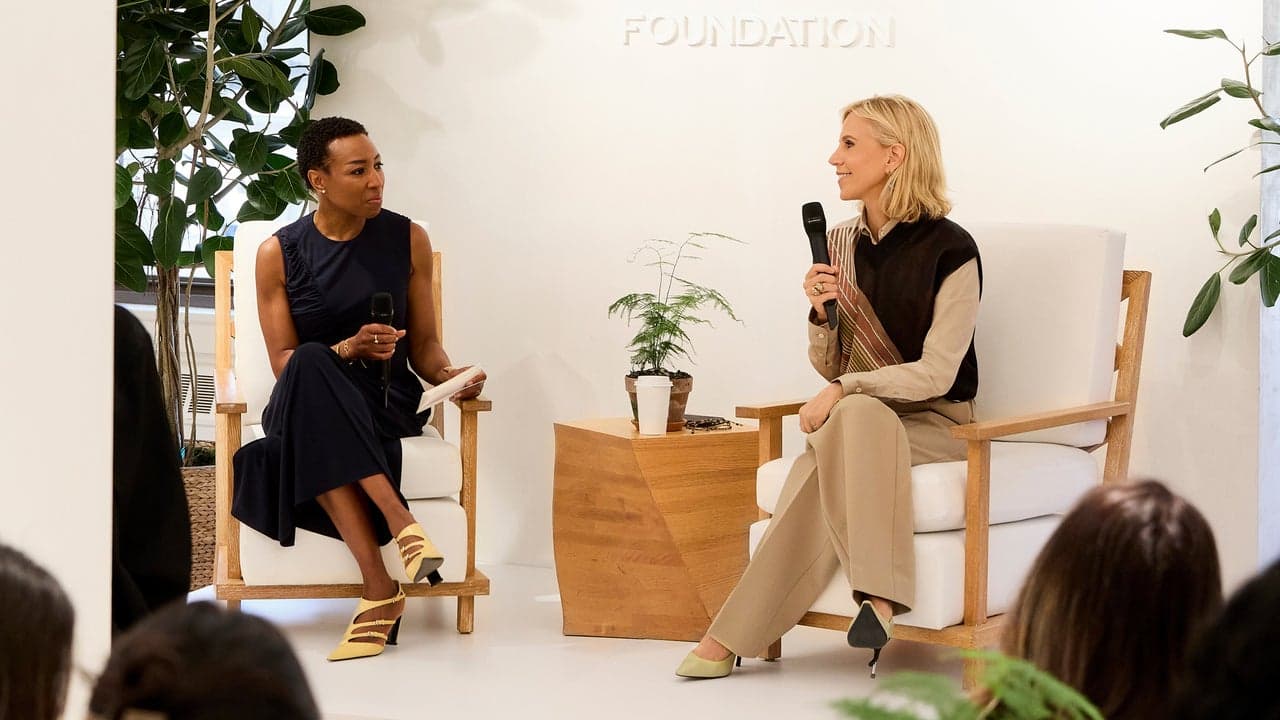
Photo via Fast Company
Tory Burch's path to building a $1.8 billion fashion empire is well-known, but what's often overlooked is how atypical her journey was. When she launched her first store in 2004 with just $2 million in personal funding, she benefited from access to capital and networks many entrepreneurs—particularly women—simply don't possess. According to Fast Company, women-led companies today receive only about 2% of venture capital funding, a stark disparity that motivated Burch to establish her foundation in 2009.
The Tory Burch Foundation now supports over 500 fellows through coaching and direct funding, with a remarkable 91% survival rate after five years. Last year, the foundation set an ambitious goal: help women entrepreneurs add $1 billion to the economy by 2030. So far, foundation fellows have already generated $470 million in revenue. For Dallas-area female entrepreneurs seeking to scale, the foundation's model demonstrates that strategic capital access paired with mentorship creates measurable impact.
Burch emphasizes that systemic change requires more than funding alone. She points to persistent cultural barriers, including the expectation that women serve as primary caregivers and the resulting career penalties that follow motherhood. "Women shouldn't be expected to be the only caregivers," Burch told Fast Company, noting that many high-performing professionals report being overlooked for promotions after having children. Dallas business leaders must examine whether their own organizations perpetuate these biases.
For female founders aiming to reach the critical $1 million revenue milestone—which Burch identifies as the threshold for sustainable businesses—her advice centers on financial literacy, self-belief, and intentional culture-building. "If cash is king, culture is queen," she explained, advocating for workplaces built on respect, honesty, and genuine support for employees at every level. Dallas companies looking to attract and retain female talent would do well to heed this philosophy.