Photo via Inc.
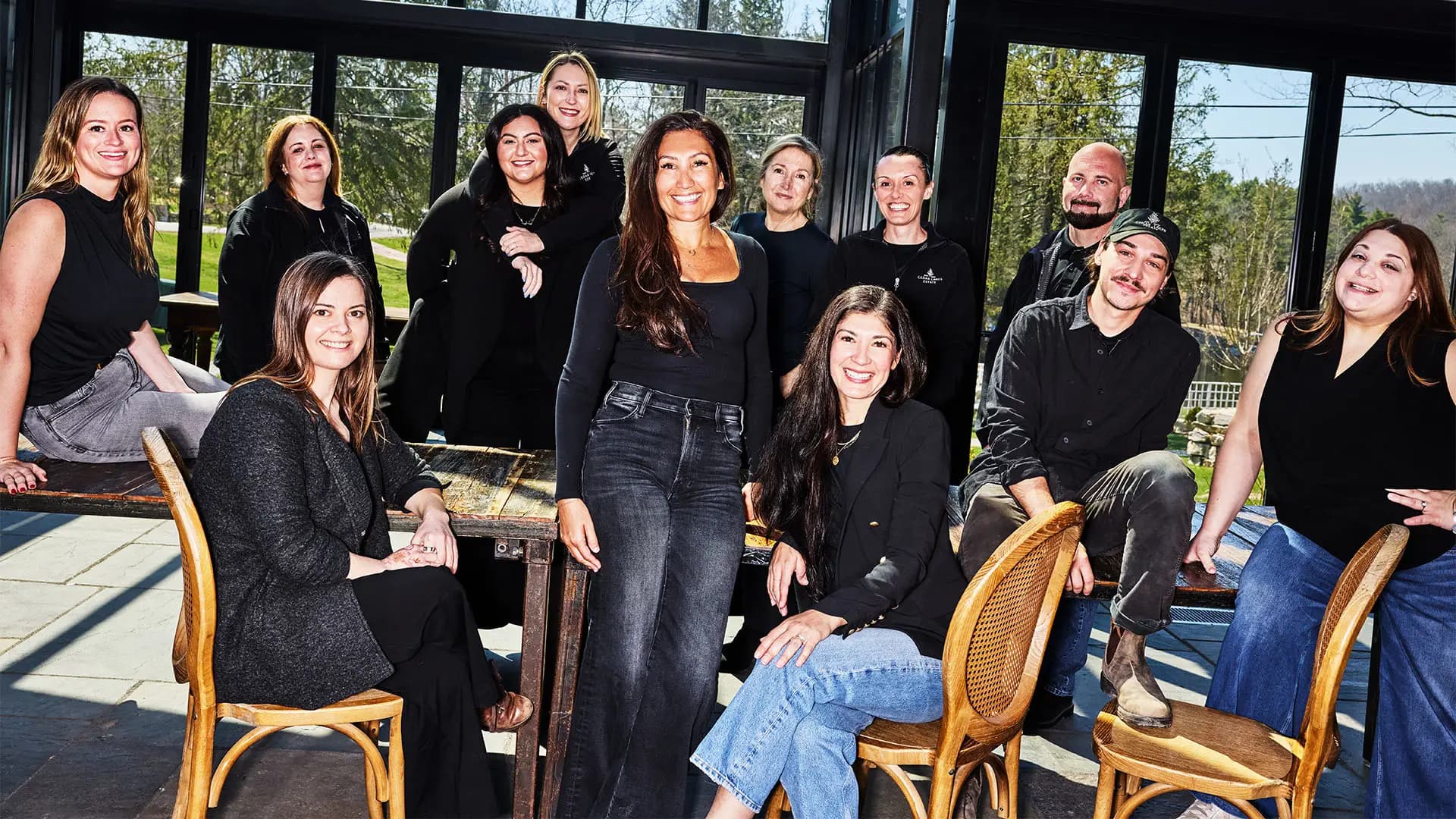
In an increasingly competitive talent landscape, companies are experimenting with unconventional benefits to retain their most valued employees. According to Inc., one luxury wedding venue in New York has implemented a bold retention strategy: offering long-tenured staff three-month paid sabbaticals while temporarily disabling their work email accounts. The approach signals a fundamental shift in how forward-thinking employers are prioritizing employee wellbeing alongside business continuity.
For Dallas-area businesses—particularly in hospitality, event management, and service industries—this model presents intriguing possibilities. High-stress roles common in Dallas's thriving events and hospitality sectors can lead to burnout and talent exodus. By creating structured opportunities for employees to disconnect and recharge, companies may find they're investing in longer-term retention and productivity rather than facing costly turnover.
The sabbatical model forces organizational discipline as well. Disabling email access prevents managers from interrupting time off and encourages teams to build redundancy and cross-training—a benefit that extends beyond the departing employee. Dallas business leaders implementing similar programs would need to plan succession coverage and documentation systems, strengthening overall operational resilience.
As the Dallas metropolitan area continues to attract corporate relocations and expand its service economy, employee benefits like sabbaticals could become a competitive differentiator for attracting top talent. Companies willing to invest in employee restoration may find they're building stronger cultures and reducing the substantial costs associated with recruiting and training replacement workers in a tight labor market.