Photo via Inc.
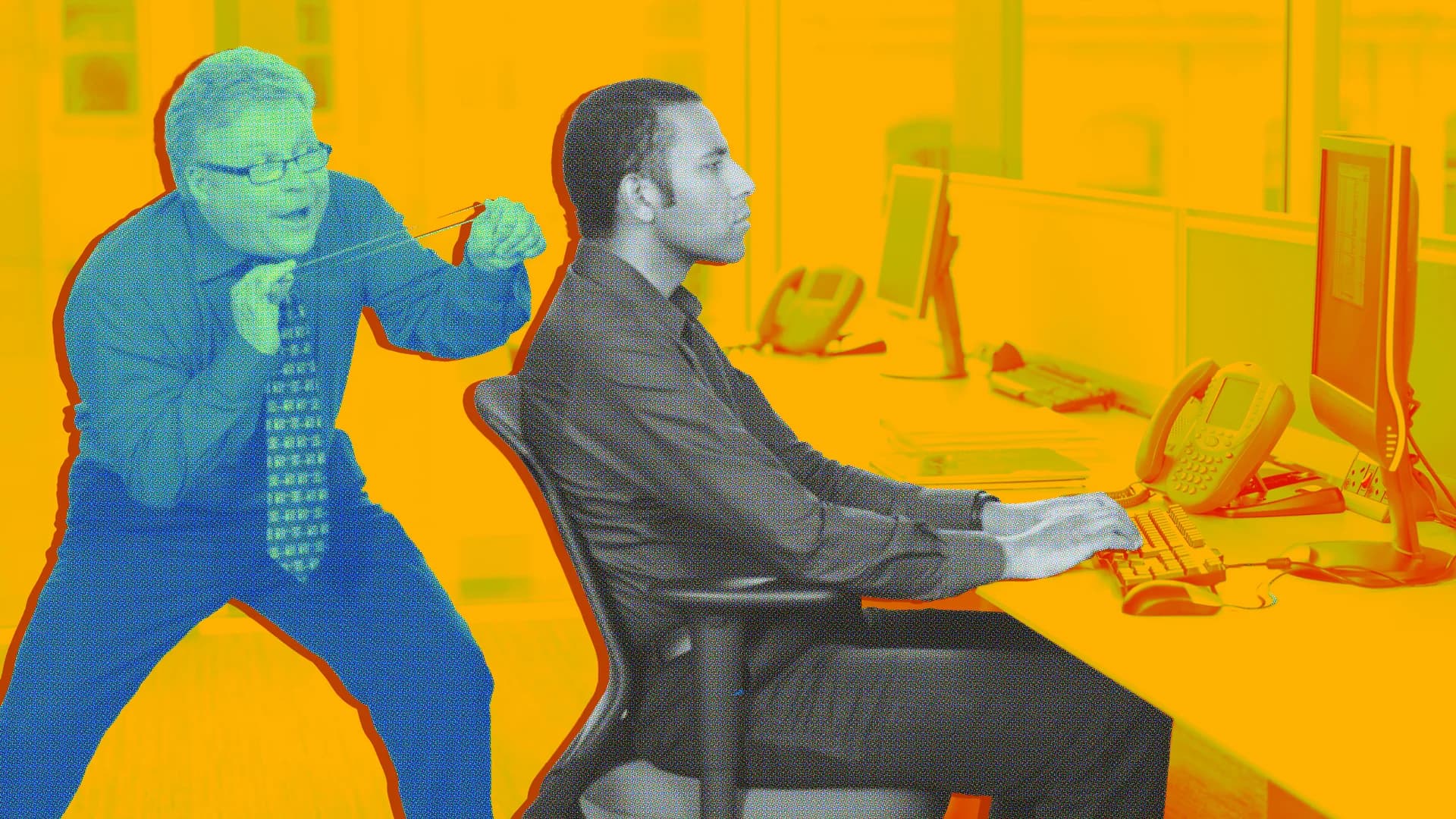
A growing trend is emerging across American workplaces where employees are strategically making themselves difficult to manage in physical office settings, effectively forcing employers to reconsider their return-to-office policies. According to Inc., this phenomenon—illustrated through the archetype of 'Bob'—represents a calculated shift in how workers are negotiating flexibility in an era when many companies are attempting to reverse pandemic-era remote work arrangements.
The tactic reflects deeper tensions in Dallas's competitive talent market, where technology firms, financial services companies, and professional services organizations are struggling to attract and retain skilled workers. As companies in the Dallas metroplex grapple with mandatory office mandates, employees are discovering that persistent non-compliance—whether through chronic lateness, unproductive behavior, or general workplace friction—can lead employers to reassess whether forcing in-person attendance is worth the organizational stress.
For Dallas-area business leaders, this trend underscores a critical challenge: the traditional leverage dynamic between employers and employees has shifted. Faced with tight labor markets and high turnover costs, companies may find it more economical to grant work-from-home privileges than to manage difficult interpersonal situations or lose key talent entirely.
The rise of this resistance strategy suggests that Dallas companies should consider proactive approaches to workplace flexibility rather than reactive policies. Organizations that establish clear, equitable remote work options upfront may avoid the friction and productivity losses that come when workers feel forced to adopt counterproductive behaviors to negotiate working conditions.