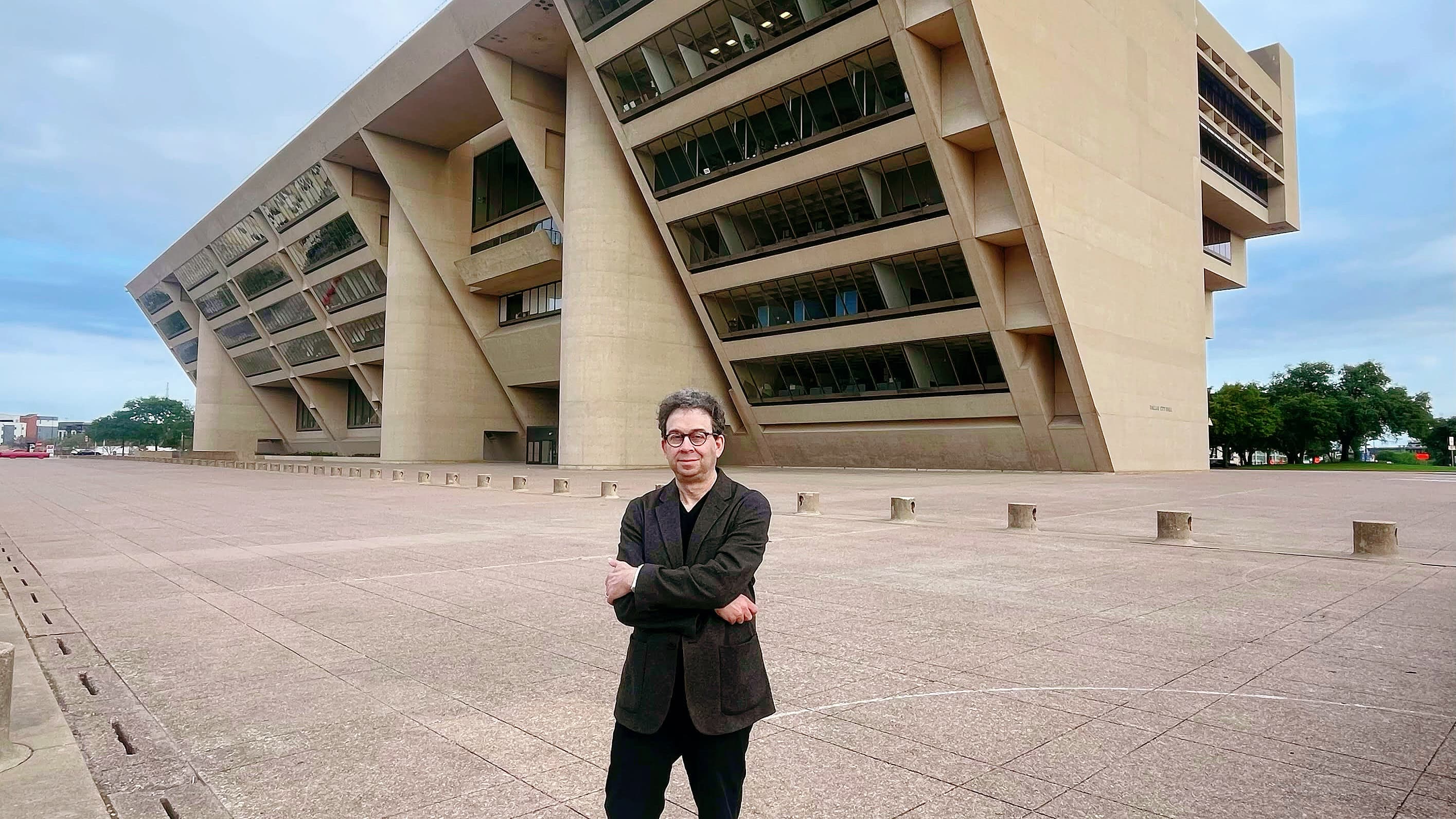
The American dream of homeownership is undergoing a dramatic transformation, with single-family homes now cycling through multiple owners at accelerating rates. According to Wall Street Journal Markets reporting, the financial barriers to entry have grown substantially, forcing potential buyers to reconsider timing, location, and investment strategy. For Dallas business professionals and investors, this national trend carries immediate implications for residential real estate markets, construction lending, and workforce retention in the region.
Dallas has historically offered more affordable housing than coastal markets, giving the region a competitive advantage in attracting talent and businesses seeking reasonable cost-of-living environments. However, rising construction costs, labor shortages, and increased demand from remote workers relocating to Texas have begun pressuring local home prices. Understanding these market dynamics is critical for employers, developers, and financial institutions operating in North Texas who depend on housing affordability to support their business ecosystems.
The implications extend beyond individual homebuyers to Dallas's broader economic health. When housing costs consume larger portions of household budgets, discretionary spending declines, affecting retail, dining, and service sectors throughout the region. Additionally, workforce retention becomes more challenging for companies in competitive industries when employees struggle with housing affordability, potentially driving talent toward markets with more favorable housing economics.
Real estate professionals, financial advisors, and corporate leaders in Dallas should monitor these affordability trends closely as they plan for 2024 and beyond. The question of how ownership patterns evolve—whether through shorter holding periods, investment property concentration, or shifts toward alternative housing models—will shape the region's demographic composition and economic competitiveness for years to come.