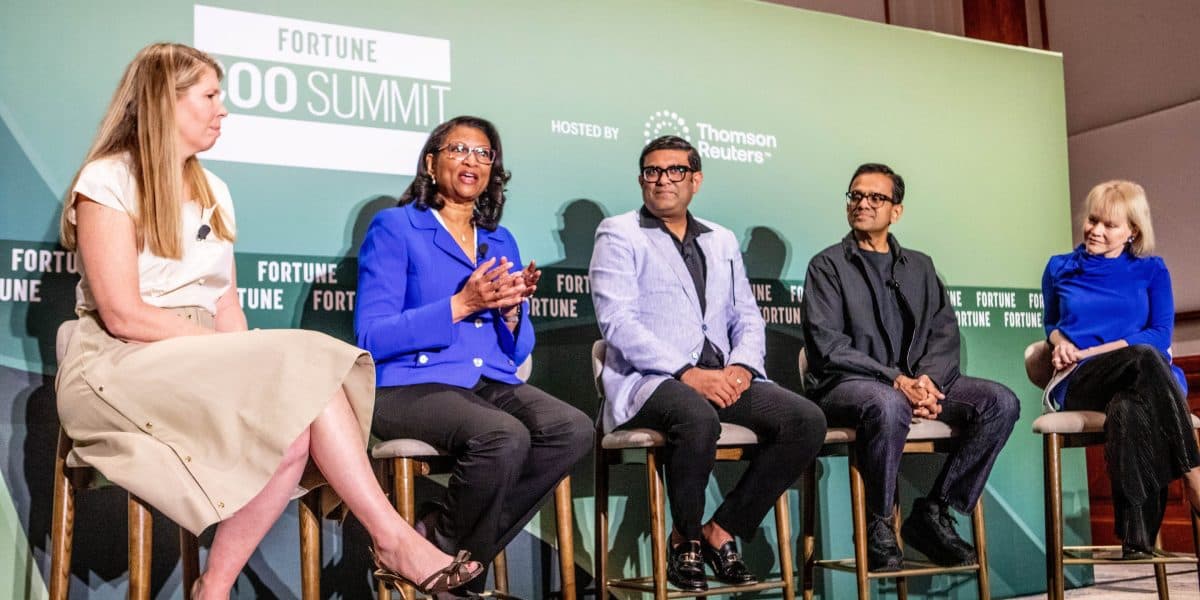
Photo via Fortune
According to Fortune, chief operating officers across major corporations are grappling with an unexpected reality: artificial intelligence systems designed to automate workflows are actually complicating their roles. Rather than the promised simplification, AI implementation is introducing new layers of oversight, integration challenges, and decision-making complexity that require hands-on executive attention.
For Dallas-area operations leaders managing everything from supply chains to customer service operations, this paradox hits close to home. Companies throughout North Texas that have invested in AI solutions are discovering that the technology requires constant monitoring, retraining, and strategic intervention—outcomes that contradict initial expectations of reduced operational burden.
The core issue stems from AI's need for continuous human judgment. These systems don't operate autonomously in the way many executives anticipated. Instead, they generate new workflows, require validation of outputs, demand integration with legacy systems, and create accountability questions that push decision-making up the organizational ladder rather than down.
For Dallas business leaders evaluating AI investments, the lesson is clear: automation technologies demand a different management approach. Rather than viewing AI as a tool that reduces executive involvement, smart operations leaders should prepare their organizations and themselves for a more complex interim period where strategic oversight becomes even more critical to capturing real value from these investments.