Photo via Dallas Observer
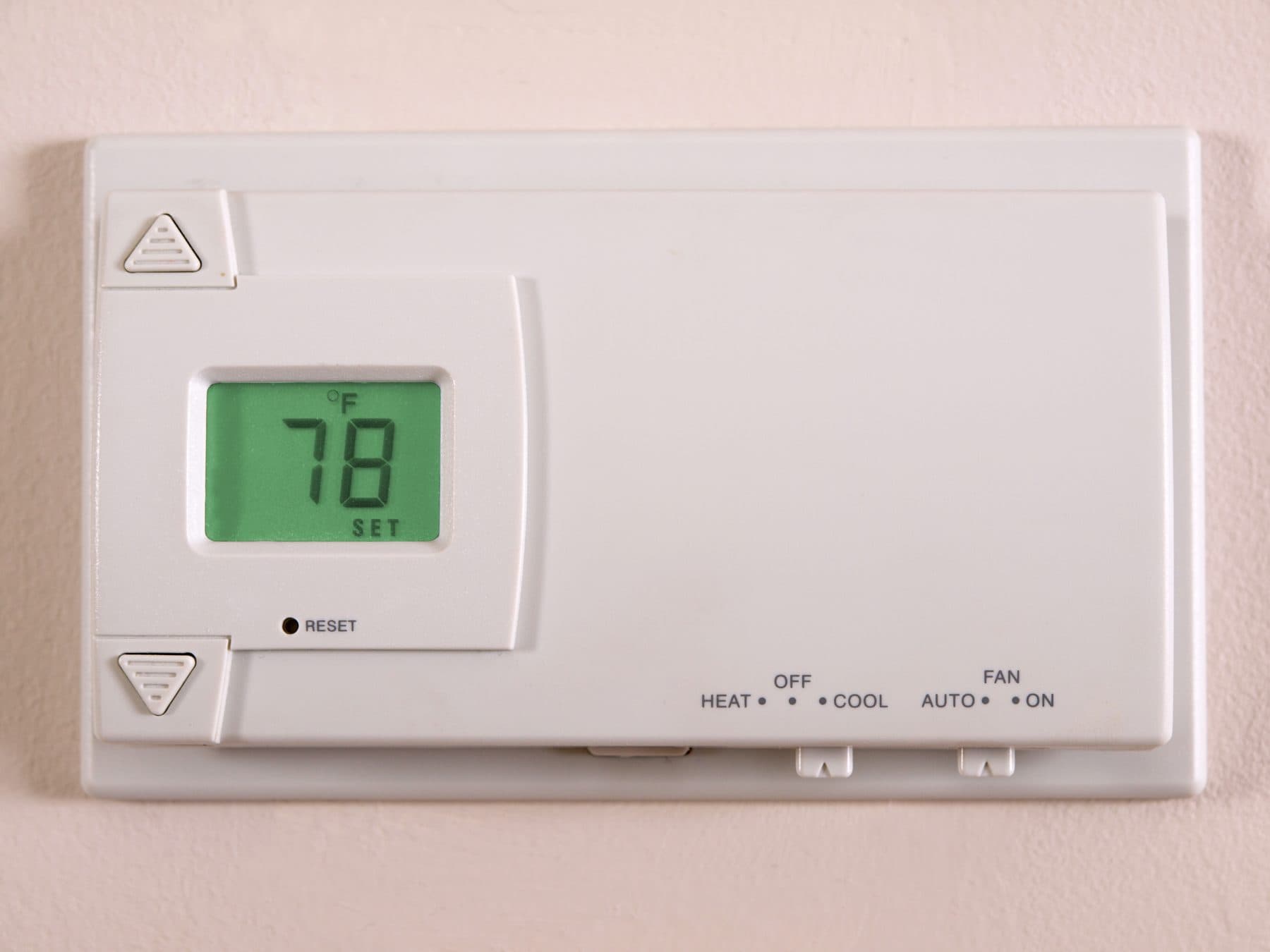
As North Texas faces another brutal summer, energy conservation advice typically centers on setting thermostats to 78 degrees—a compromise designed to reduce electricity consumption while maintaining reasonable comfort. However, according to reporting from the Dallas Observer, this widely promoted standard may not be appropriate for everyone, particularly in a region where temperatures regularly exceed 100 degrees and indoor climate control is essential for worker retention and operational efficiency.
For Dallas-based companies, especially those in healthcare, retail, and office services, the implications are significant. Higher thermostat settings can impact employee productivity, increase heat-related health risks, and potentially drive talent to competitors offering better working conditions. Businesses operating data centers, manufacturing facilities, or specialized environments face additional constraints where precise temperature control directly affects equipment performance and product quality.
As energy demands surge and utility costs climb, Dallas business leaders face a balancing act between cost management and workplace conditions. Rather than adopting a one-size-fits-all approach, organizations may benefit from evaluating their specific operational needs, employee demographics, and industry requirements to establish thermostat policies that protect both their bottom line and their workforce during our region's increasingly intense heat seasons.