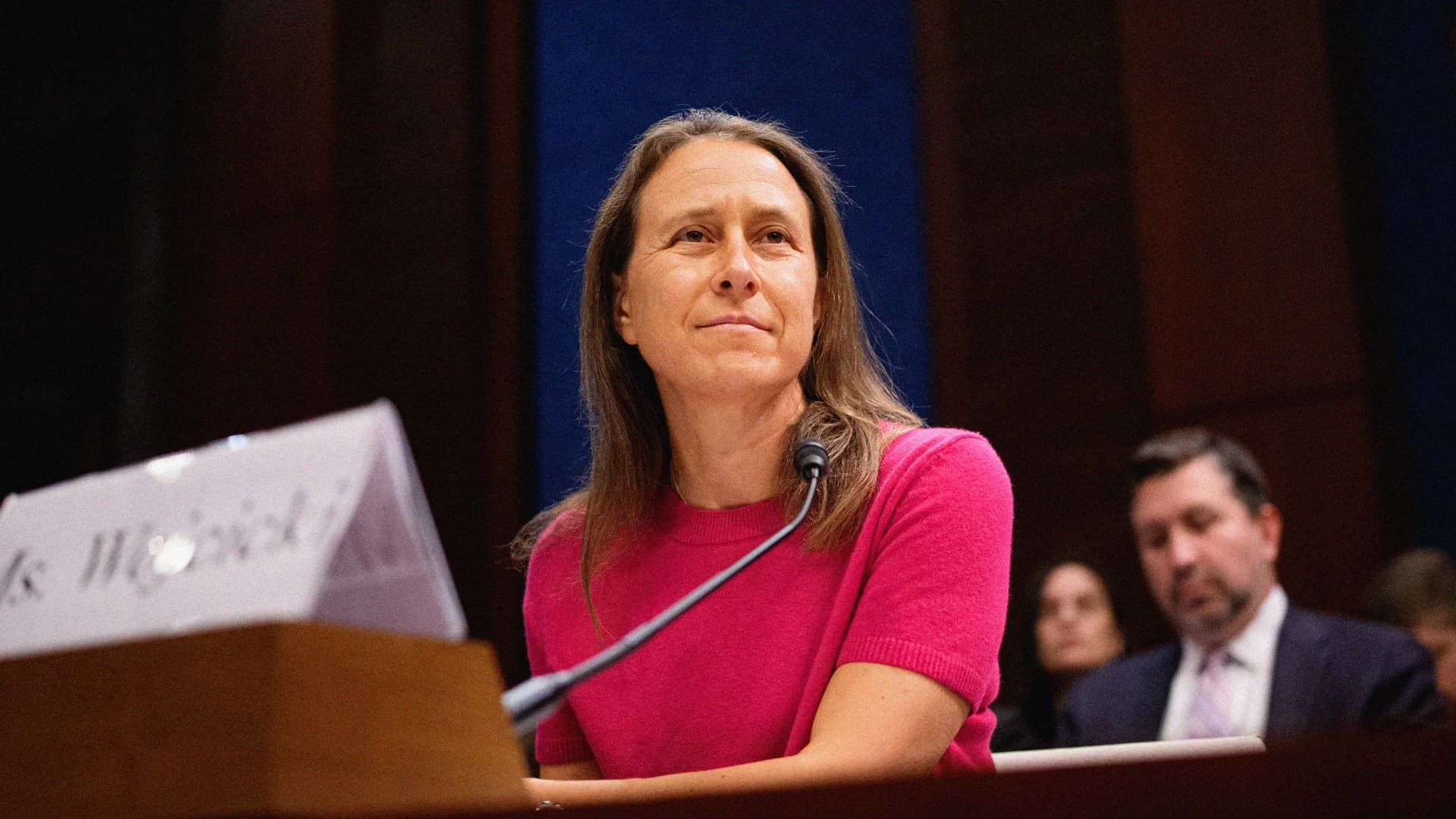
Photo via Inc.
The recent difficulties facing 23andMe serve as a sobering reminder for Dallas-area startup founders about the risks of unchecked leadership power. According to Inc., the company's challenges underscore a fundamental principle: when founders maintain absolute authority and eliminate meaningful board oversight, they eliminate the checks and balances that can save a company during crisis. This dynamic is particularly relevant for North Texas entrepreneurs building high-growth tech ventures who may face similar governance questions as their companies mature.
Founder-led companies often thrive on vision and conviction, qualities that drive innovation in Dallas's competitive startup ecosystem. However, without dissenting voices in the boardroom, even well-intentioned leadership decisions can go unchallenged until they become existential threats. The 23andMe situation demonstrates how isolation from critical feedback—whether about strategy, market positioning, or operational efficiency—can accelerate corporate decline rather than prevent it.
For Dallas business leaders and investors, this case highlights the importance of building diverse boards that include independent perspectives and the authority to question executive decisions constructively. Strong governance structures don't constrain successful founders; rather, they provide guardrails that help navigate complex business challenges. Companies with healthy tension between founders and boards tend to make more resilient decisions during downturns.
As the Dallas startup community continues to attract venture capital and ambitious entrepreneurs, the 23andMe experience offers a valuable template for what not to do. Building a sustainable company requires balancing founder vision with institutional accountability. The entrepreneurs who recognize when to listen—and when to step back—are often the ones whose companies not only survive difficulties but emerge stronger.