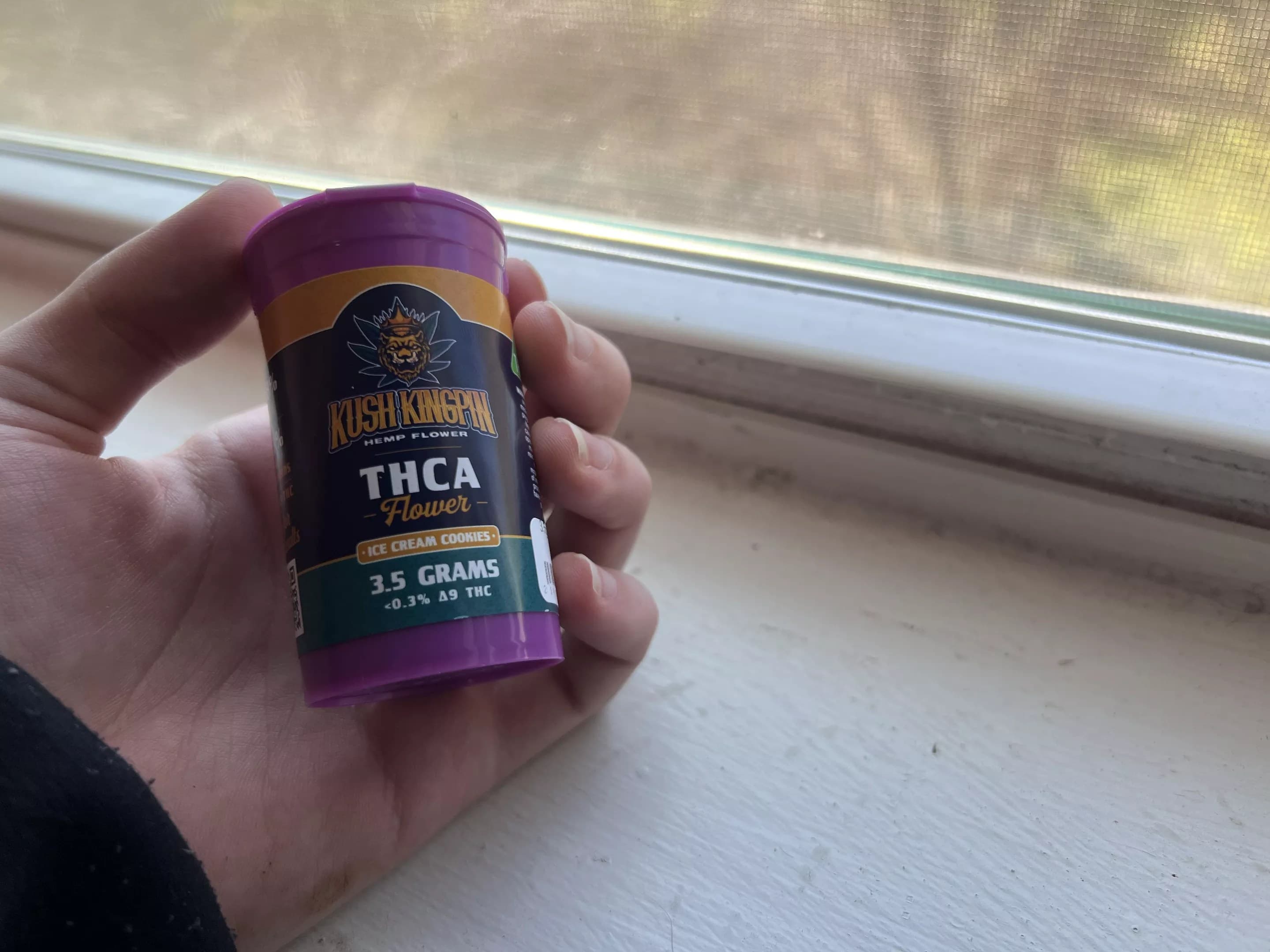
Photo via Dallas Observer
THCa (tetrahydrocannabinolic acid) has emerged as a popular cannabis alternative across Texas, with products widely available through retail channels and online vendors. According to the Dallas Observer, the compound—which converts to THC when heated—currently occupies a murky legal territory that has attracted businesses and consumers seeking high experiences outside traditional cannabis markets.
For Dallas-area retailers and entrepreneurs, the THCa boom represents both opportunity and regulatory risk. While the products remain accessible under current interpretation of Texas law, legal experts warn that the landscape could shift rapidly. Policymakers and law enforcement are increasingly scrutinizing hemp-derived products that produce intoxicating effects, and businesses should monitor potential legislative changes that could affect inventory and revenue streams.
The timing is significant for Texas retailers already navigating complex hemp regulations. Unlike established medical cannabis dispensaries, THCa vendors often operate without the compliance infrastructure of regulated markets, creating exposure to enforcement actions. Dallas business owners in this sector should consult legal counsel and consider contingency planning as state regulators evaluate whether the products warrant stricter controls.
As the market matures, larger retailers and established cannabis industry players may gain advantages through professional compliance standards and political relationships. Smaller operators should assess their legal position now rather than face potential supply disruptions later. The next legislative session could determine whether THCa remains a viable retail category in Texas.