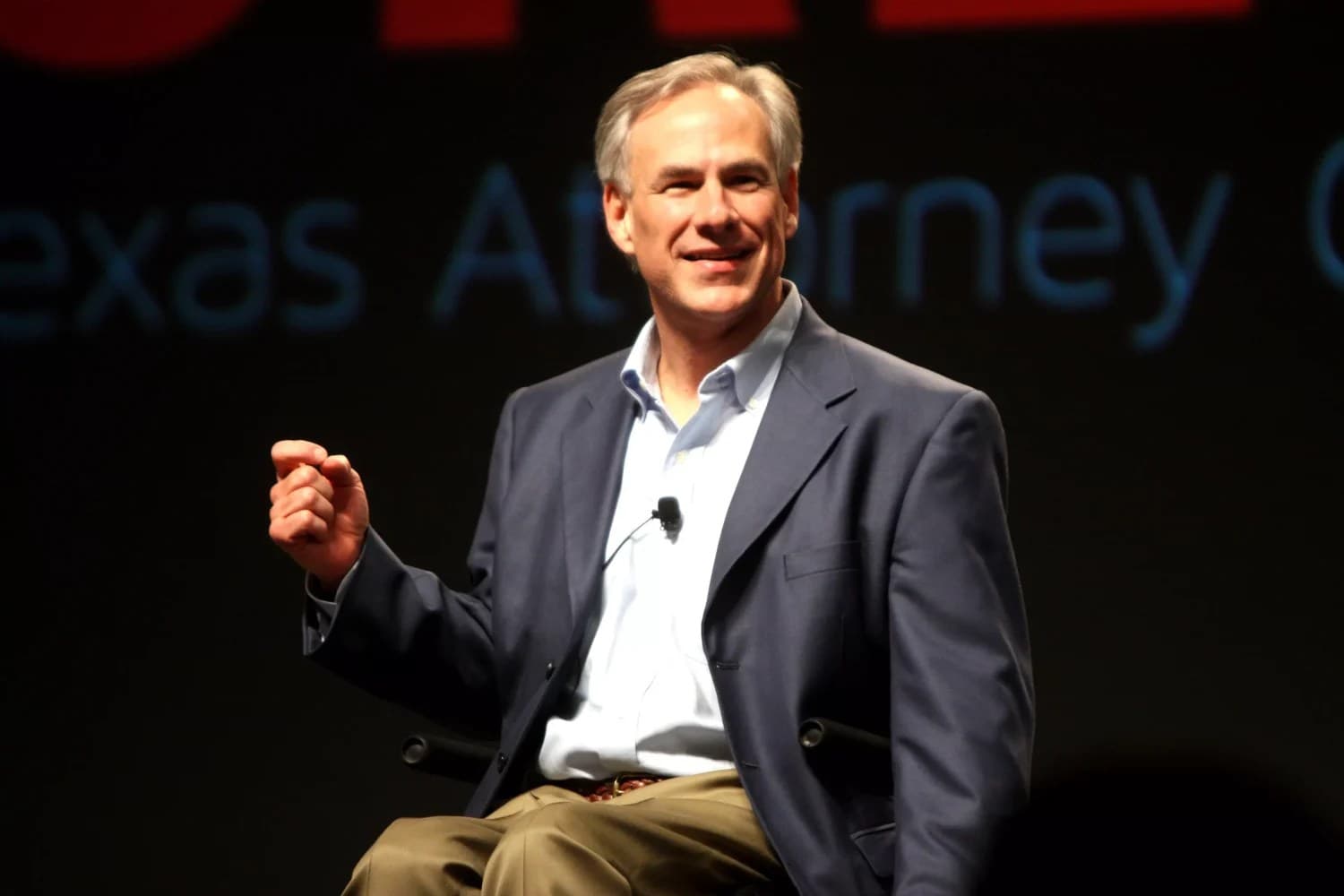
Photo via Dallas Observer
According to Dallas Observer reporting, Texas has earned an unwelcome distinction as one of the worst states to live in for 2026, with a particularly acute problem: an unusually high percentage of residents lacking health insurance coverage. This metric stands in stark contrast to the state's reputation for economic opportunity, creating a paradox for business leaders across the Dallas metroplex who rely on a healthy, insured workforce.
For Dallas-area employers and HR professionals, the implications are significant. A larger uninsured population can translate into higher absenteeism, reduced productivity, and increased pressure on workplace wellness programs. Additionally, businesses may face higher collective insurance costs as remaining insured employees subsidize broader healthcare expenses. This challenge affects Dallas's competitiveness when recruiting talent from states with more robust health coverage infrastructure.
The healthcare coverage gap also reflects broader questions about the state's social infrastructure that could influence business decisions. Companies considering relocation or expansion in the Dallas region must weigh workforce availability and health metrics alongside traditional factors like tax incentives and real estate costs. Addressing Texas's insurance gap remains a critical issue for policymakers seeking to strengthen the state's appeal to both talent and investment.