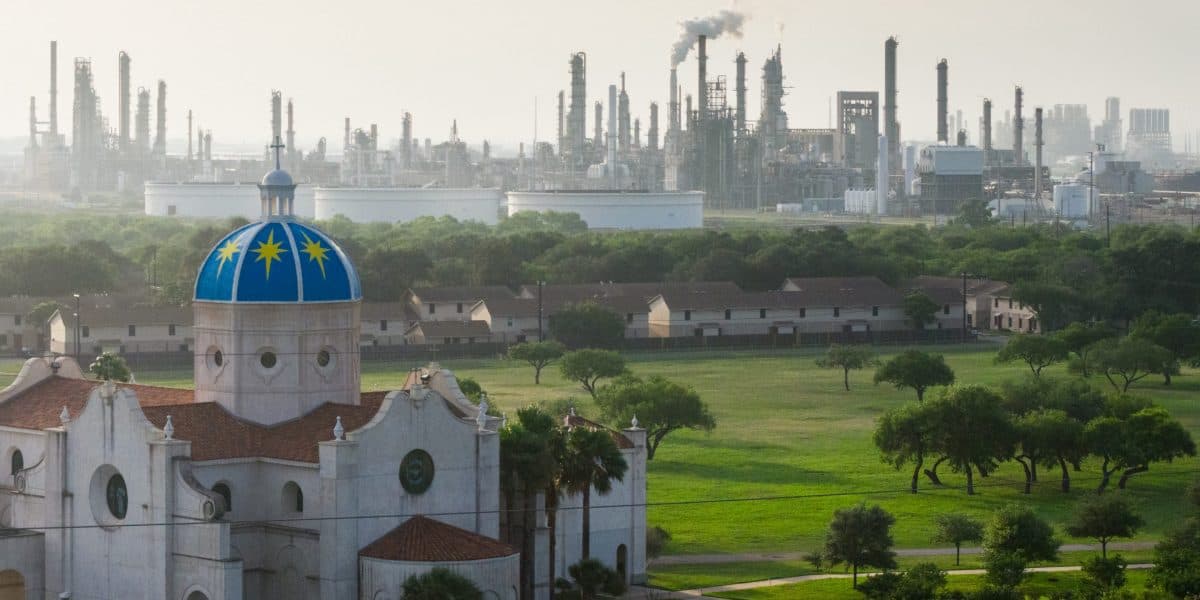
Photo via Fortune
Corpus Christi, home to America's largest oil export terminal, is facing an unprecedented water shortage that threatens both residents and the energy sector. According to Fortune, the coastal city's reservoir levels have dropped to just 8% capacity, forcing officials to implement strict water conservation measures—including a two-year ban on maintaining green lawns. This crisis underscores the vulnerability of critical infrastructure in Texas during periods of extended drought.
The city's attempt to solve the problem through desalination has hit a significant roadblock. A $1.2 billion desalination project, which could have supplemented the city's water supply, was shelved due to prohibitive costs. The decision leaves Corpus Christi with limited options as demand from both the energy industry and residential users continues to strain existing reserves. For Dallas-area businesses with supply chain ties to the refining and export operations in Corpus Christi, the situation warrants close monitoring.
December brought the crisis closer to critical levels, with city officials warning of potential emergency declarations that could impose strict household water rationing. Such measures could have cascading effects on industrial operations, including the energy sector that depends on water for cooling and processing. The prospect of enforced consumption caps raises concerns about operational disruptions at one of Texas's most economically important facilities.
This situation reflects broader challenges facing Texas infrastructure as climate patterns shift and population pressures increase. Businesses across the state, particularly those in energy, logistics, and manufacturing, should consider how water scarcity in key regions could impact their operations and supply chains. The Corpus Christi crisis may serve as a cautionary case study for other Texas communities and industries relying on aging water infrastructure.