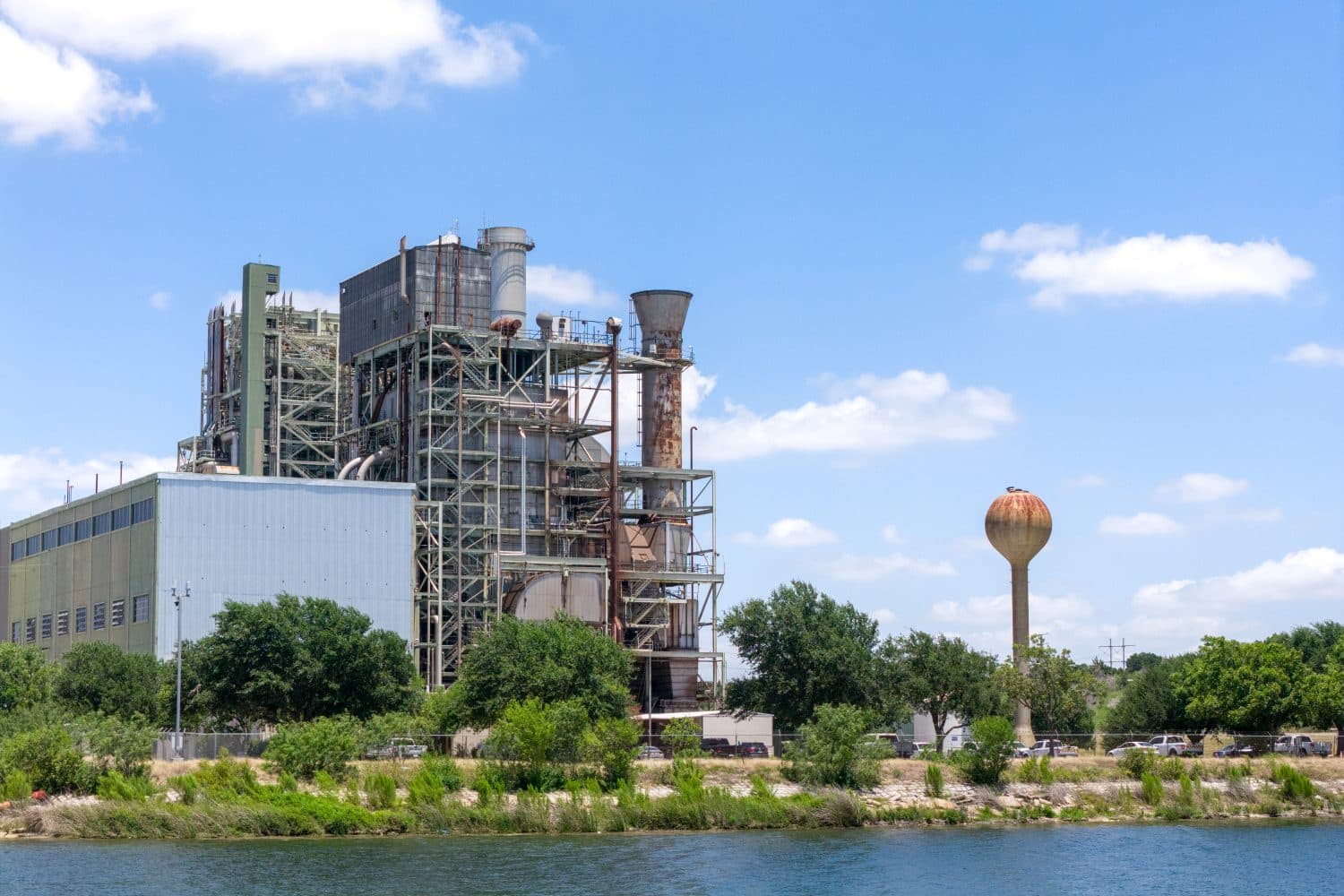
Photo via Dallas Observer
According to the Dallas Observer, renewable energy sources are projected to comprise 70% of Texas's future electricity generation, driven by competitive economics rather than mandates. Solar and battery storage technologies have increasingly outcompeted traditional fossil fuels in the marketplace, reshaping the state's energy portfolio and challenging the long-standing dominance of natural gas infrastructure that has anchored Texas's power sector for decades.
The proposed natural gas minimums represent a significant policy pivot among Republican lawmakers concerned about grid reliability and energy independence. Advocates argue that maintaining baseload generation capacity is essential for system stability, particularly during peak demand periods and extreme weather events—considerations that resonate across North Texas industrial and commercial sectors dependent on consistent power supply.
For Dallas-area businesses, this legislative debate carries tangible implications. The shift toward renewables presents opportunities for companies in solar installation, battery manufacturing, and grid modernization, while simultaneously raising questions about long-term energy costs and reliability for large employers. The outcome of these policy discussions will likely influence corporate energy procurement strategies and infrastructure investments throughout the region for years to come.