Photo via Dallas News
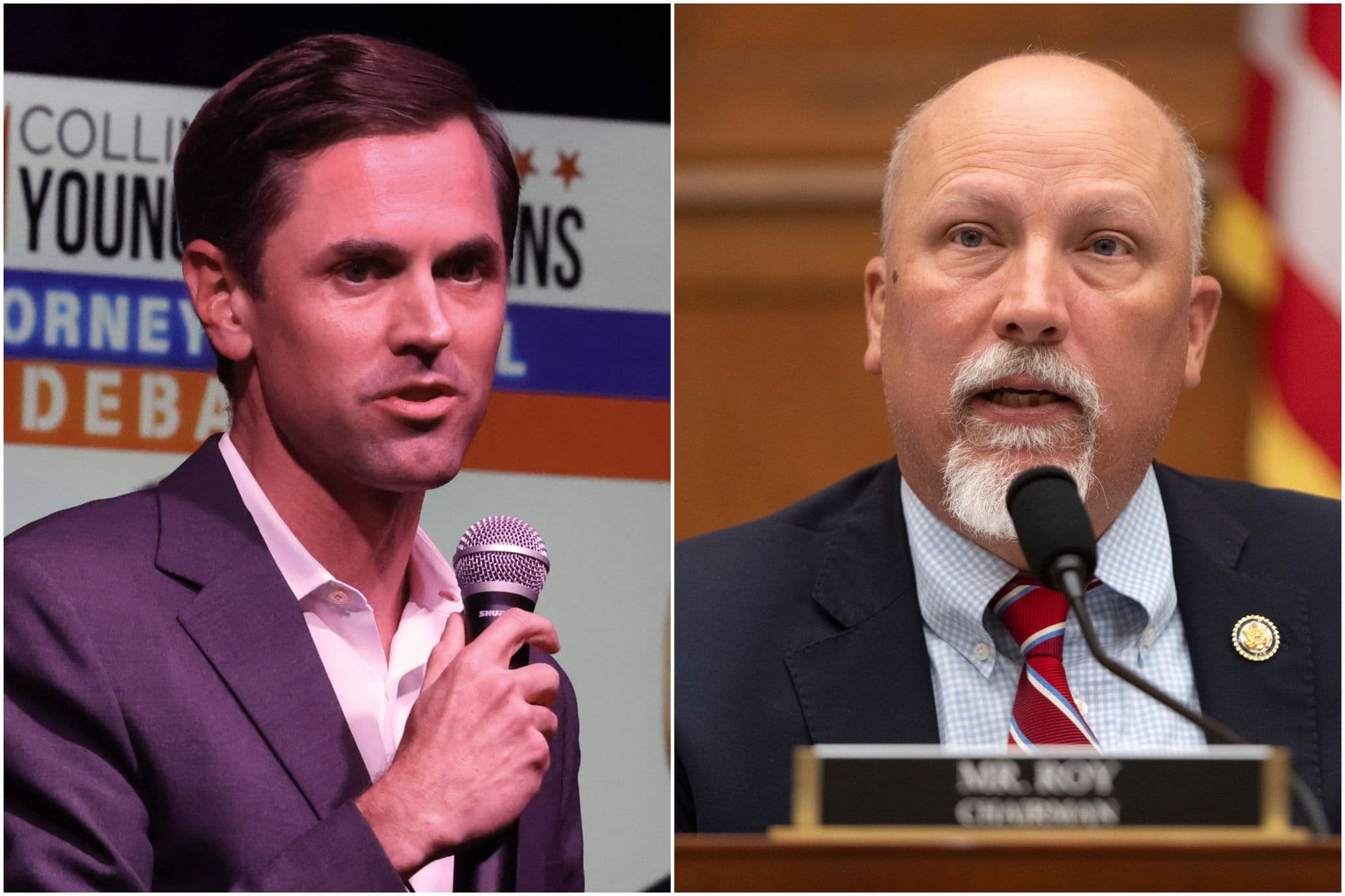
The race between Mayes Middleton and Chip Roy for Texas attorney general has evolved into a contentious matchup despite the candidates' largely overlapping policy positions on core conservative issues. According to Dallas News reporting, both contenders are pursuing similar ideological ground, yet their campaign strategies have increasingly focused on personal criticism rather than substantive policy differentiation. For Dallas-area business leaders and entrepreneurs, this dynamic raises questions about what kind of regulatory environment and litigation posture the next attorney general will bring to the state.
The escalating personal attacks between Middleton and Roy underscore a broader pattern in Texas politics where ideological alignment doesn't preclude fierce competition. As the runoff intensifies, both candidates are leveraging their conservative credentials while attempting to distinguish themselves through criticism of each other's records and qualifications. Business stakeholders across North Texas are watching closely to see which candidate emerges, given the attorney general's significant influence over corporate litigation, regulatory interpretation, and enforcement priorities that directly affect operating companies.
Dallas and the surrounding region have substantial interests in who leads the Texas Attorney General's Office, as the position oversees consumer protection, antitrust enforcement, and litigation that can impact everything from real estate transactions to technology operations. The similar platforms of Middleton and Roy suggest continuity in conservative policy direction, but their personal feud may signal different approaches to prioritizing which business sectors and regulatory issues receive aggressive attention or restraint.
As the runoff proceeds toward resolution, North Texas business leaders should remain engaged with both candidates' specific positions on issues affecting local companies and industries. Understanding their records on corporate accountability, regulatory flexibility, and litigation strategy will be essential for stakeholders evaluating how the next attorney general might shape the business environment across Texas.