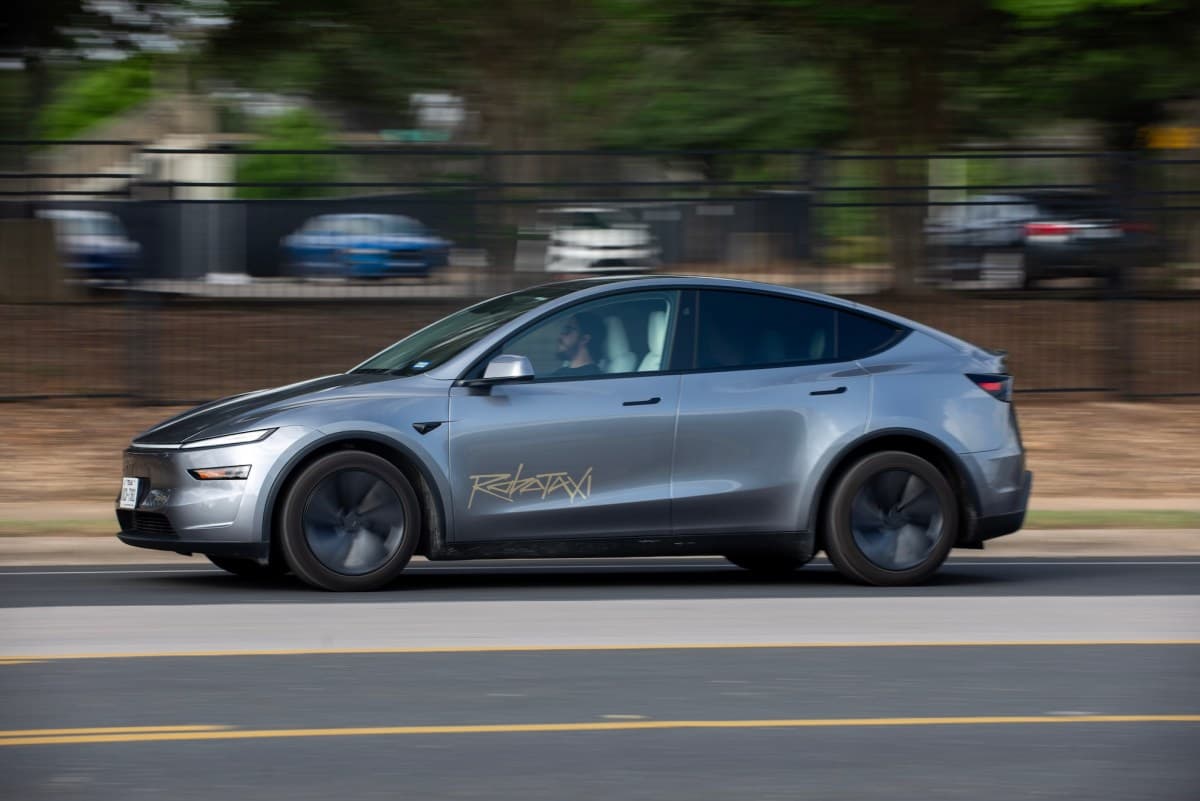
Photo via TechCrunch
Tesla is facing increased scrutiny over its autonomous vehicle operations following the release of previously redacted crash reports involving its Robotaxi service. According to TechCrunch, the unredacted documents reveal multiple incidents where teleoperators—remote drivers monitoring the autonomous vehicles—were involved in collisions. These disclosures underscore the complexities Tesla continues to navigate as it attempts to commercialize self-driving technology at scale.
The crashes illuminate a critical operational reality: despite advances in autonomous driving software, human oversight remains essential during the current deployment phase. Teleoperators serve as a safety net, intervening when the vehicle's AI encounters situations it cannot safely navigate independently. The incidents suggest that the transition from human to fully autonomous control involves more friction points than initially anticipated.
For Dallas-area technology companies and investors tracking the autonomous vehicle sector, these reports carry broader implications. As robotaxi services expand into more markets, questions about safety protocols, liability frameworks, and regulatory requirements will shape the competitive landscape. Companies developing supporting technologies—from sensor systems to backend infrastructure—should expect evolving standards.
The revelations may accelerate conversations among Texas regulators and industry stakeholders about autonomous vehicle deployment standards. As one of the nation's technology hubs, Dallas could influence how other regions approach robotaxi testing and commercialization. For businesses considering investments in autonomous vehicle infrastructure or services, Tesla's operational challenges offer valuable lessons about the technical and operational maturity required before widespread deployment.