Photo via Reuters
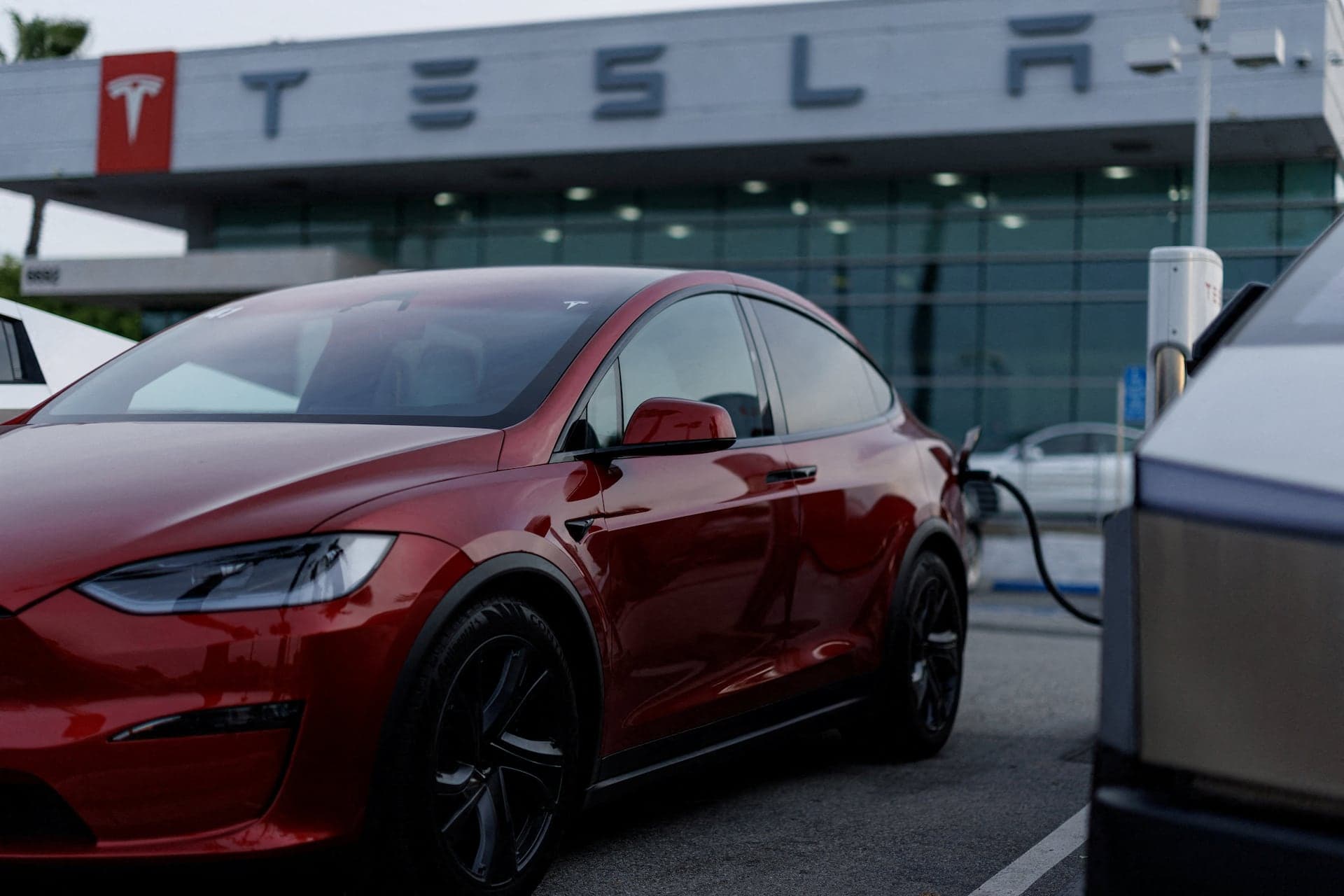
According to Reuters, Tesla posted negative free cash flow in the second quarter for the first time in over two years, as CEO Elon Musk directed significant capital toward artificial intelligence infrastructure and autonomous vehicle development. The move represents a notable pivot for the company, which has historically maintained strong cash generation. For Dallas-area investors tracking the tech sector, the shift underscores how legacy automakers and EV leaders are aggressively competing in the AI space, potentially reshaping capital allocation priorities across the broader automotive and technology industries.
The cash burn reflects Tesla's accelerated investment in multiple growth vectors simultaneously: advanced AI systems, expanded battery production capacity, robotaxi platform development, and next-generation manufacturing facilities. This multi-front spending strategy carries both opportunity and risk—while positioning Tesla at the forefront of autonomous vehicle technology and AI integration, it also leaves the company more vulnerable to execution challenges and market headwinds. Dallas business leaders in related sectors should monitor how this capital-intensive approach pays off, as it could signal broader industry trends in technology spending and R&D prioritization.
The timing of Tesla's negative cash flow comes as the company faces intensifying competition in electric vehicles and emerging competition in autonomous technology from traditional automakers and specialized startups alike. How Tesla manages this period of elevated spending while maintaining investor confidence will likely influence how other major corporations approach their own AI and innovation strategies. For North Texas business professionals, particularly those in automotive, logistics, or technology sectors, Tesla's strategic choices offer a case study in how established players are betting on transformational technologies—and the financial trade-offs that strategy entails.