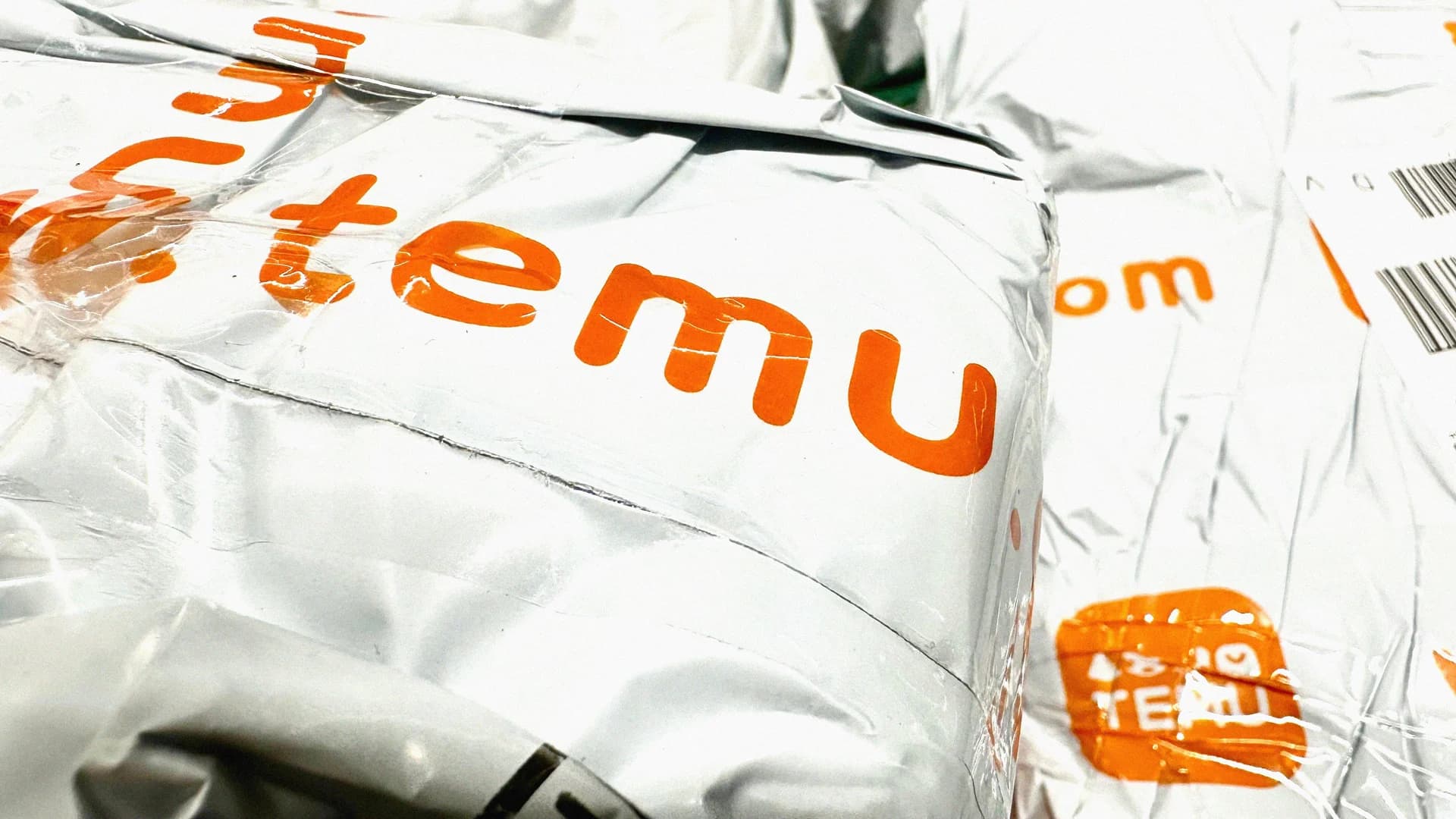
Photo via Inc.
The escalating legal dispute between Temu and Shein represents a significant moment in the fast-fashion industry, as two of the sector's most aggressive competitors turn to the courts to settle their differences. According to Inc., the companies have filed competing lawsuits against each other, marking the latest chapter in an intensifying rivalry that has captured consumer attention and investor scrutiny.
For Dallas-area retailers and fashion industry observers, the battle underscores how quickly digital-first business models are disrupting traditional retail dynamics. Both platforms have built substantial market presence by offering ultra-low-priced apparel and accessories directly to consumers, leveraging social media and influencer marketing to bypass traditional retail infrastructure that once defined the sector.
The legal action highlights intellectual property and competitive concerns that increasingly plague the fast-fashion space, where rapid product cycles and trend-driven manufacturing create friction. Questions around design originality, supply chain practices, and market access have become central to how these companies operate and differentiate themselves in a crowded digital marketplace.
As these Chinese retailers continue expanding their U.S. footprint, Dallas businesses in retail, logistics, and e-commerce should monitor how regulatory scrutiny and legal outcomes may reshape international fast-fashion competition. The outcome could influence how domestic retailers adapt their strategies and how local supply chains respond to evolving industry standards.