Photo via Fortune
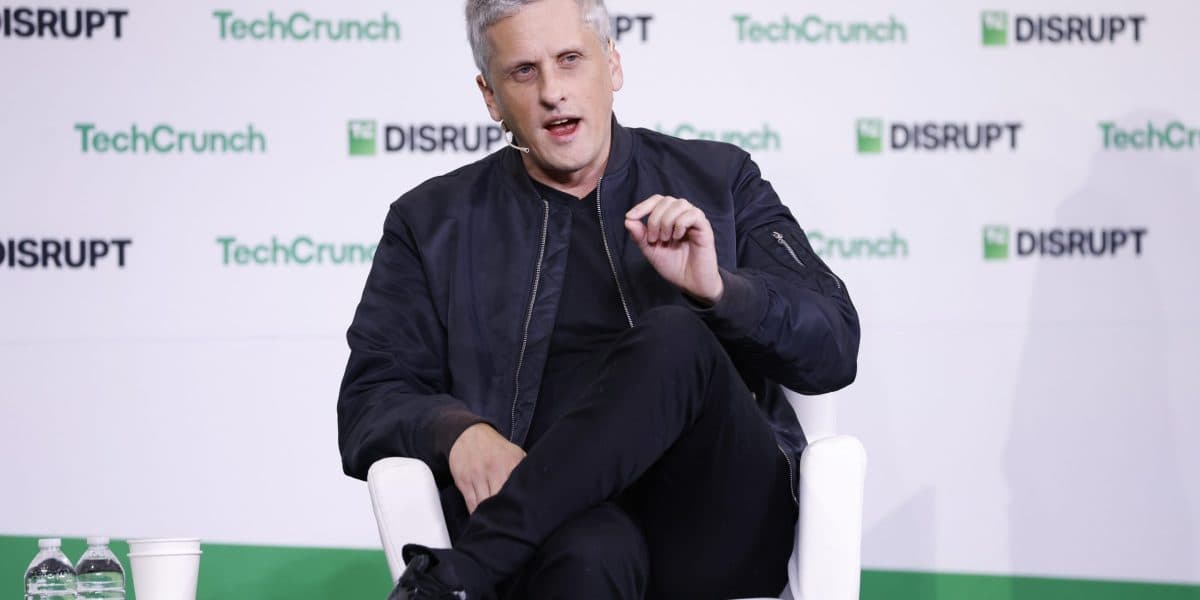
Aaron Levie, CEO of cloud storage company Box, has challenged the narrative driving recent mass layoffs across Silicon Valley, arguing that tech leaders are operating under what he calls 'AI psychosis.' According to Levie's critique, executives have become so enamored with artificial intelligence's potential that they're making sweeping workforce decisions based on overly optimistic assumptions about the technology's immediate impact.
The disconnect Levie identifies reflects a broader pattern in the tech industry: leadership teams focused on AI's 'happy path'—the best-case scenario outcomes—while failing to account for the messier reality of implementation. For Dallas-area technology companies and their investors, this cautionary tale underscores the importance of grounding strategic decisions in realistic timelines and practical deployment challenges rather than speculative promises.
Employees working directly with AI systems present a different picture than boardroom discussions suggest, Levie argues. Those building and integrating these tools daily understand the technology's current limitations, the infrastructure investments required, and the significant work still needed before AI can truly replace human expertise. This ground-level perspective is often absent from executive conversations driving major restructuring.
The implications extend beyond Silicon Valley's borders. Dallas companies considering their own AI strategies and talent decisions should heed Levie's warning: aggressive workforce reductions based on untested assumptions about technology adoption can damage institutional knowledge and competitive advantage. The tech executive community would do well to balance innovation enthusiasm with pragmatic assessment of what AI can realistically deliver in the near term.