Photo via Yardbarker
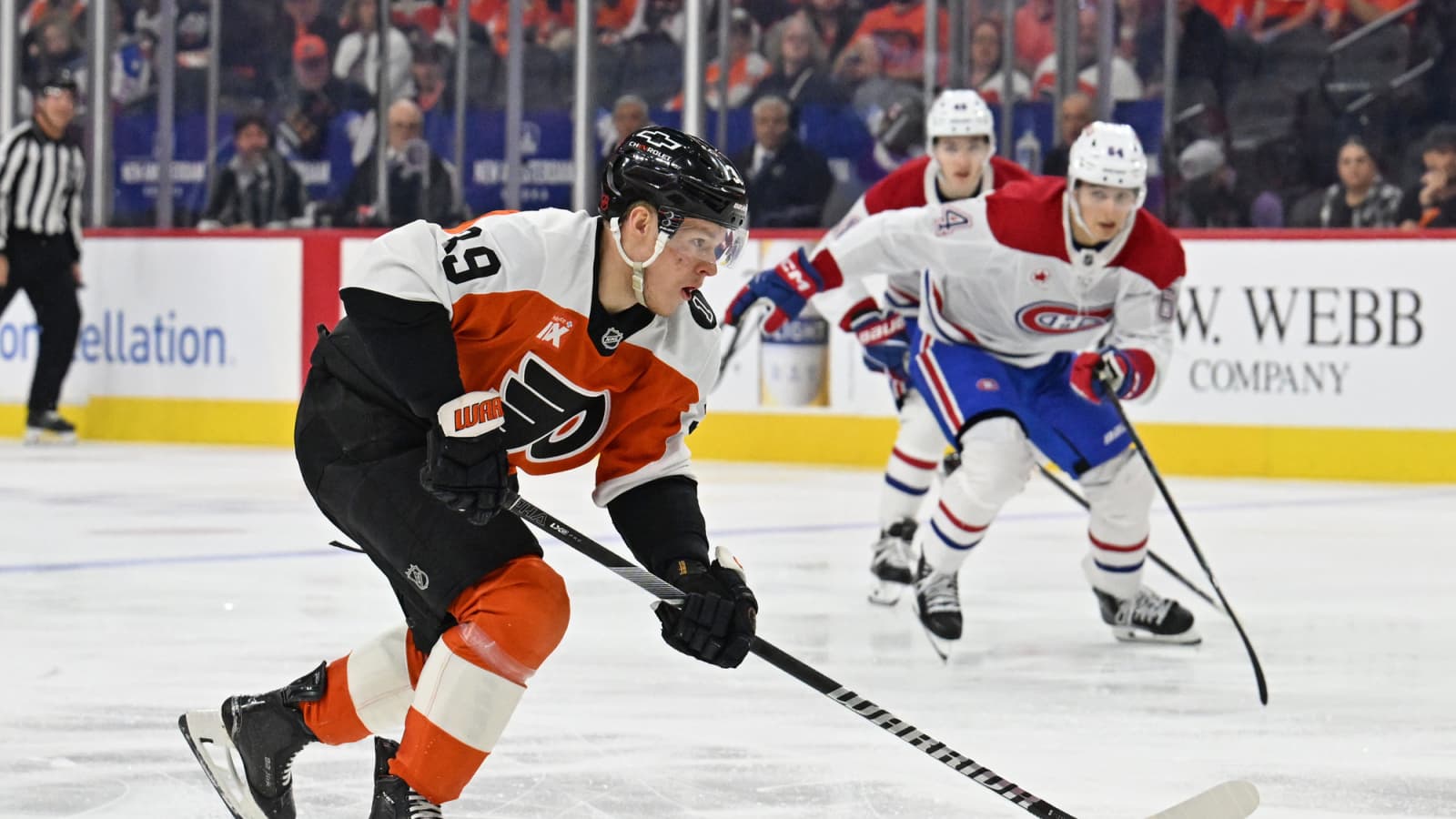
According to Yardbarker's analysis of Michigan's Matvei Michkov, exceptional talent without complementary professional qualities creates a paradox that resonates across industries. Whether in athletics or business, Dallas leaders understand that technical skill represents only part of the equation. Organizations increasingly recognize that hiring and promoting individuals requires evaluating soft skills, cultural alignment, and coachability alongside credentials.
The gap between potential and performance often stems from factors beyond raw ability: work ethic, communication style, adaptability, and how candidates respond to feedback. This mirrors challenges Dallas companies face when recruiting and retaining high-performing talent. Executives increasingly use behavioral assessments and team-fit evaluations to avoid the costly mistake of promoting or hiring individuals whose personal dynamics undermine organizational goals.
For Dallas business leaders, the Michkov case study underscores a critical management principle: sustained success requires matching individual talent with organizational values and team dynamics. Whether evaluating internal promotions or external hires, companies that honestly assess non-technical factors—attitude, coachability, and professional maturity—build stronger, more cohesive teams than those fixated solely on credentials and past achievements.