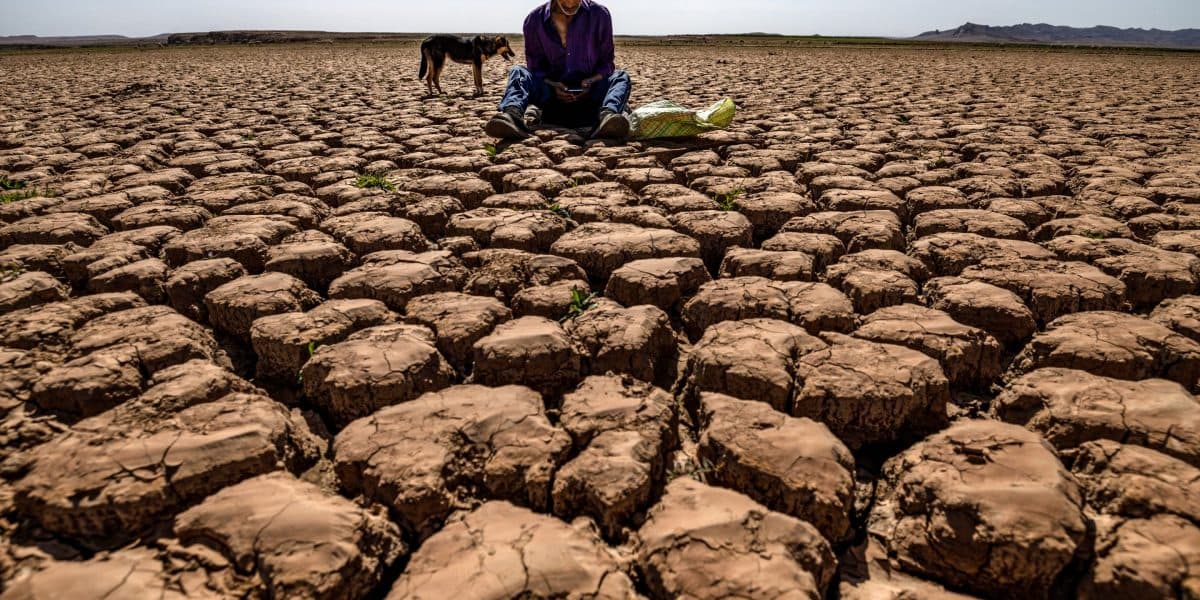
Photo via Fortune
According to Fortune, meteorologists are increasingly confident that a rare 'super' El Niño weather event will develop by 2027, potentially making that year one of the warmest on record. The prediction comes as 2024 itself has already shattered temperature records, registering approximately 1.5 degrees Celsius above pre-industrial averages. This convergence of factors—including the natural warming from a super El Niño—could create a perfect storm of elevated global temperatures.
For Dallas-area businesses, particularly those in energy and agriculture, the implications warrant attention. A super El Niño typically redistributes rainfall patterns across North America and intensifies heat in certain regions, which could affect everything from power grid demand at utilities like Oncor to water availability for Texas farming operations. Energy companies may need to prepare for sustained demand spikes during peak summer months.
The retail and logistics sectors should also monitor these developments. Extreme heat events influence consumer behavior, from increased air conditioning purchases to shifts in shopping patterns and outdoor event scheduling. Supply chain managers across Dallas's distribution hubs will need contingency plans for heat-related infrastructure stress and workforce challenges during prolonged hot periods.
Business leaders should begin integrating long-range climate forecasting into strategic planning now. Whether through infrastructure resilience investments, supply chain diversification, or workforce adaptation strategies, Dallas companies that proactively prepare for 2027's potential climate conditions will likely outmaneuver competitors caught unprepared by these predictable environmental shifts.