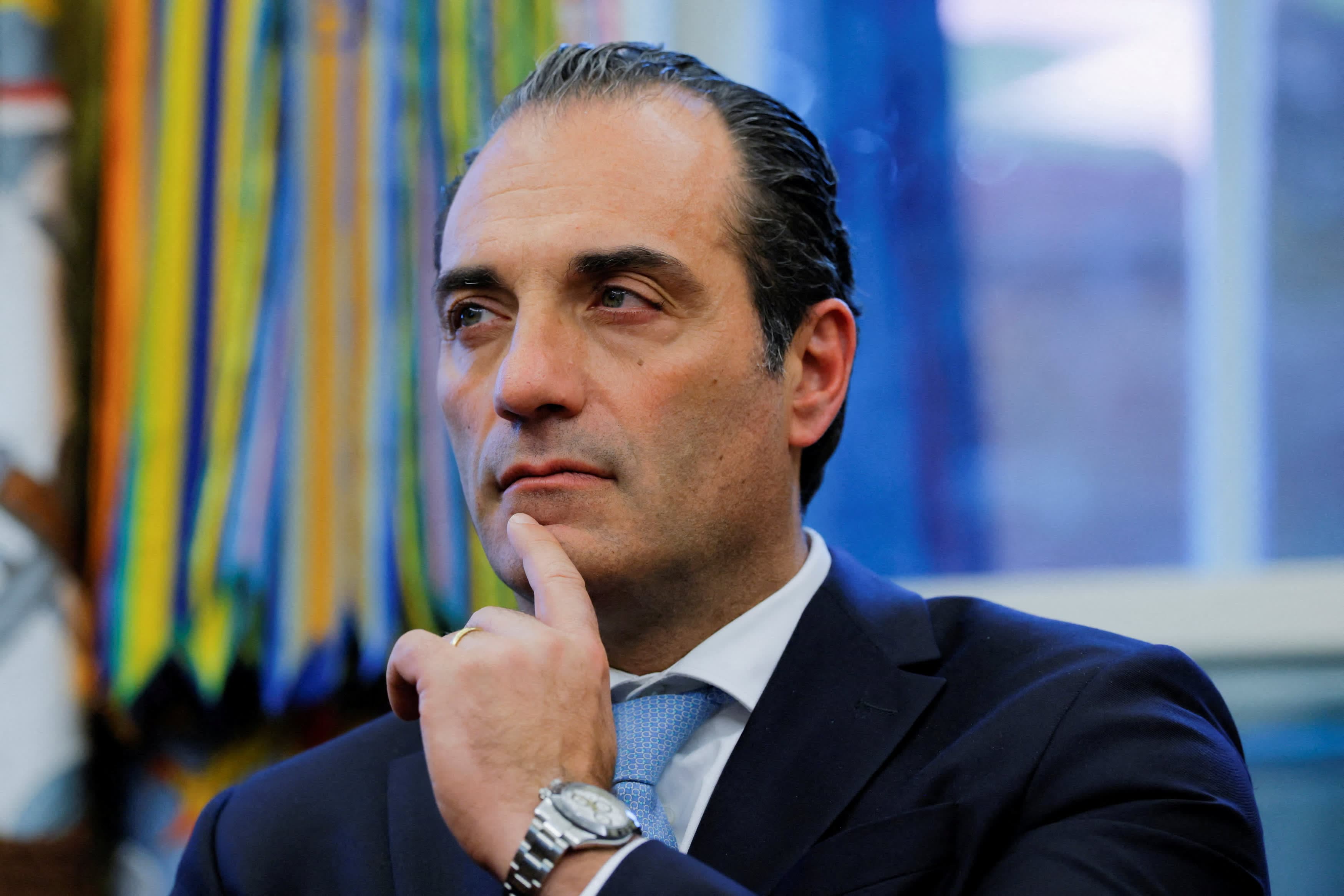
Photo via CNBC Business
Stellantis, one of the world's largest automakers, is exploring strategic partnerships to bring Chinese-branded vehicles into Mexico and potentially Canada, according to CNBC Business. CEO Antonio Filosa signaled the company sees growth opportunities in expanding its portfolio through Chinese manufacturers, though such vehicles would not be sold in the U.S. market due to existing regulatory and trade barriers.
For Dallas-area automotive suppliers and logistics companies, this development could reshape regional supply chains. As Stellantis considers manufacturing or distribution hubs in Mexico, companies specializing in cross-border automotive logistics and parts distribution may see increased demand. The move reflects broader industry trends toward partnerships and shared platforms as automakers navigate shifting consumer preferences and electrification demands.
The strategy highlights how major automakers are adapting to global competitive pressures by leveraging partnerships rather than relying solely on internal development. By bringing Chinese-branded vehicles into North American markets outside the U.S., Stellantis positions itself to capture growing segments while managing geopolitical trade tensions that restrict direct Chinese imports to American consumers.
Industry observers note this approach could influence how Dallas-based automotive companies and regional manufacturing operations compete and collaborate. As the automotive landscape continues to consolidate around strategic partnerships and alternative powertrains, local stakeholders should monitor how Stellantis executes this expansion and what opportunities emerge for suppliers and service providers across Texas.