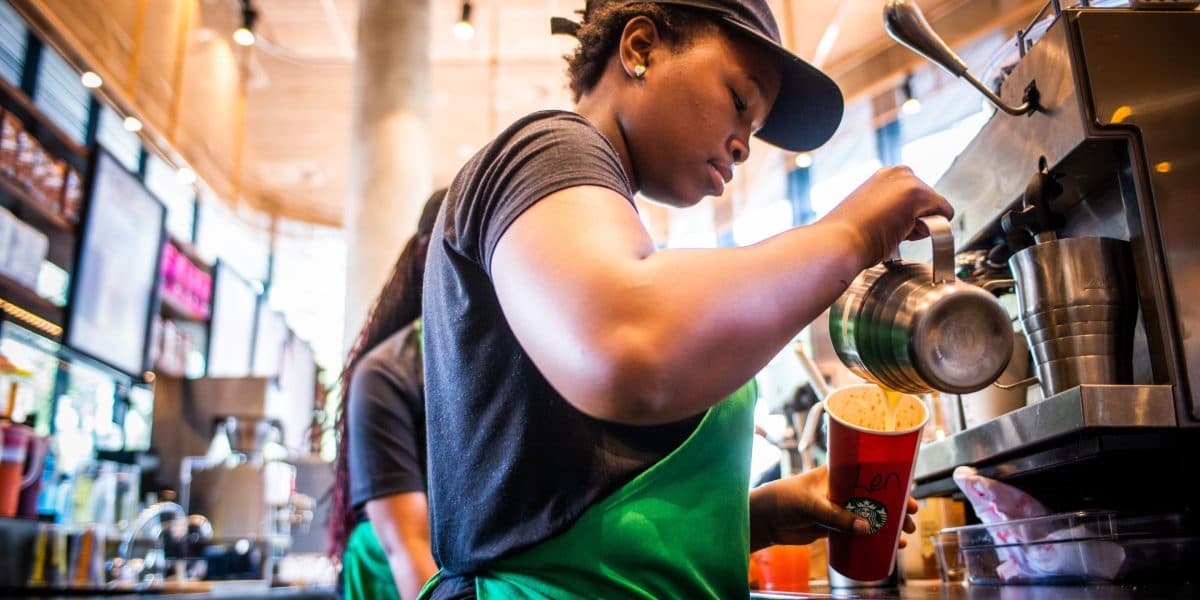
Photo via Fortune
Starbucks has discontinued an artificial intelligence system designed to manage inventory at its coffee shops, according to Fortune, marking another cautionary tale in the broader push toward AI automation in retail. The decision came just months after the initial rollout, when the technology failed to deliver on its core promise of streamlining operations.
The system's fundamental problem was accuracy. According to Fortune's reporting, a Starbucks employee noted that the AI agent 'started off not particularly accurate and got less accurate over time.' Rather than solving the inventory challenge, the tool created new friction—slowing down baristas during peak service periods when speed directly impacts customer experience and profitability.
The Starbucks situation reflects a broader tension facing Dallas-area retailers and hospitality operators considering AI investments. While automation promises efficiency gains, premature deployment of untested systems can disrupt operations and damage employee morale. For franchise-heavy industries like quick-service restaurants prevalent throughout North Texas, the cost of failed rollouts compounds across multiple locations.
The incident serves as a reminder that successful technology implementation requires rigorous testing, employee input, and realistic timelines. As more companies explore AI solutions, the Starbucks case demonstrates that vendor promises don't always translate to real-world performance—a lesson worth heeding for Dallas business leaders evaluating similar investments.